
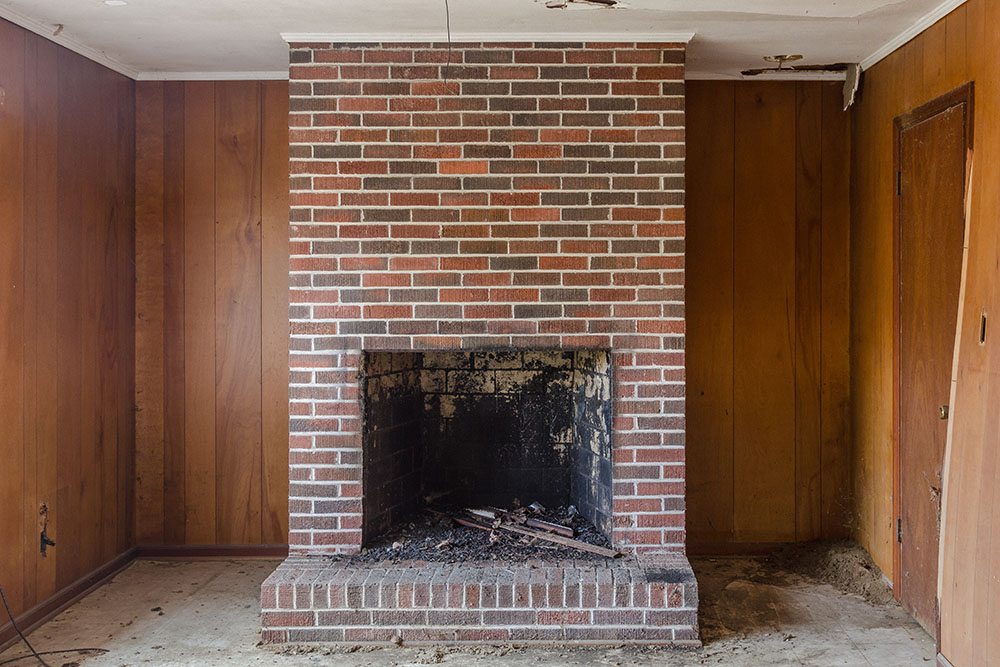
Brick fireplaces can accumulate grime on the interior wall surfaces that isn’t visible to the eye. Every time you light a fire, components of the fire—such as carbon particles and other byproducts of smoke that you can’t see accumulate as grime on the surface of brick fireplaces. If not cleaned regularly, this grime can build up to the point where it can’t be removed with ordinary cleaning products. First, it’s important to understand the difference between cleaning a fireplace and cleaning an ordinary wall. A fireplace has soot residue, whereas an ordinary wall has only dirt. For this reason, ordinary cleaning products may be ineffective on brick fireplaces.
How Soot and Smoke Stain Brick Fireplaces
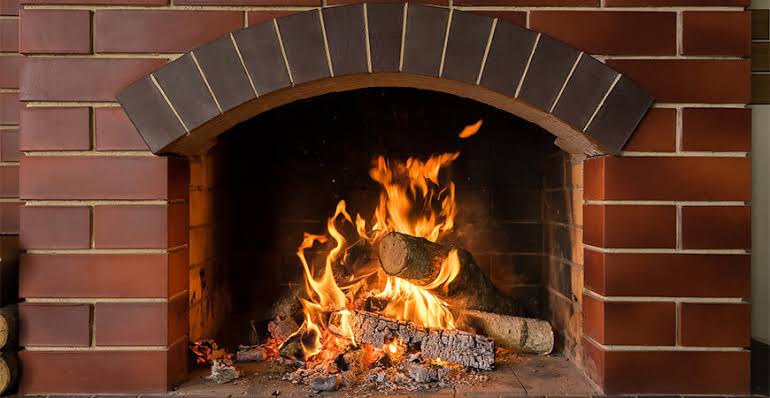
Unlike other walls in a home, in brick fireplaces, the heat, smoke, and other residues produced by repeated fires cause these elements to penetrate the brick and travel through the mortar along the joint edges rather than remaining on the surface.
How Soot Penetrates Brick and Mortar
Due to the pores in the cement-based mortar used to secure brick fireplaces, carbon soot particles settle into these pores. If you do not ventilate the rooms where the fireplaces are located, the soot and moisture combine and spread deeper into the structure. Even if you clean the surface as usual, you cannot reach the deeper layers.
Why Fireplace Brick Is Different from Other Brick
When a fire is lit in brick fireplaces, the rapid heating and cooling causes the bricks and cement mortar to contract and expand—perhaps in ways that are not visible to the naked eye. In fireplaces that are used repeatedly, this process causes the pores to open up further, allowing soot to settle more deeply. Bricks used on other exterior walls do not experience this issue because they are not subjected to such heat.
What to Check Before Cleaning a Brick Fireplace
The brick fireplace is inspected before cleaning, taking into account the surface of the bricks and the surrounding structure. It is important to consider that the surface could be damaged during the cleaning process, and to assess whether the appearance of the brick fireplace might be compromised. If you believe there is a problem at this stage, have your brick fireplace repaired immediately before proceeding with cleaning.
Telling Apart Soot, Smoke, and Other Masonry Stains
Before starting to clean, you should determine the cause of the stains on the wall. Discoloration in brick fireplaces is generally caused by carbon soot. However, it would be incorrect to attribute all of it to this. Smoke generated by heat can leave behind oily residues. Sometimes, you may notice white stains; these indicate salt deposits caused by moisture.
When to Avoid Cleaning Your Brick Fireplace
Brick fireplaces should not be cleaned in situations that require special treatment. These special situations include the following:
- Loose bricks
- Damaged mortar
- Insulated fireplaces
- Old bricks
- Historic bricks
Which Cleaner Is Best for Brick Fireplaces?
The choice of cleaning products for brick fireplaces should be made after carefully inspecting the fireplace. Some cleaning products may not work effectively on brick and cement mortar.
Why Household Cleaners Often Fail on Brick
Detergents, soaps, or chemical cleaners found in every home leave residue in the pores of the bricks and mortar, allowing mold to take hold more quickly. Chemical and acidic cleaners, on the other hand, can erode the grout or cement mortar and cause the bricks to come loose. Cleaning products used in excess of a certain level can also cause the bricks to fade.
Which Cleaner Works for Which Stain?
Special cleaning products are available to remove soot from the pores in the walls and joints of brick fireplaces. These products remove carbon deposits and soot from the bricks, joints, and mortar without causing damage.
Remove Dry Debris First
Before you start cleaning, vacuum out all the loose dirt, ash, and dust from inside the fireplace. This makes everything that follows more effective.
Mix Vinegar and Water
Mix white vinegar and water in equal parts (50/50). This mixture is enough to break down stains on the brick surface.
Apply the Mixture to the Brick
Apply the mixture to the brick surface. Then scrub it in thoroughly using a plastic bristle brush attached to your drill. During scrubbing, place a towel in front of you because the rotary brush will sling debris straight at you. For the corners, use a separate hand scrub brush.
Rinse with Warm Soapy Water
Once you’ve finished scrubbing, rinse the surface with warm soapy water. The towels you use for this step will likely be ruined, so I recommend using old ones you don’t mind throwing away.
Let It Dry
Dry the surface with a clean towel and let it dry overnight. The next day, the bricks may not look as uniform as they did when wet. Bricks that look like one solid color when wet can show lighter and darker patches once they dry. This is normal.
Dealing with Water Stains and Mineral Deposits
If there are water stains and mineral deposits on the front of the fireplace, you can apply the same vinegar mixture to those areas too. Rinse with clean water and let it dry again.
The Result
This method used only white vinegar and water. No harsh chemicals were needed, and the bricks came out noticeably cleaner. If the stains are particularly stubborn, you may need something stronger, but try this natural method first.
Things to Keep in Mind
- Debris will fly during scrubbing, so take precautions.
- Don’t plan on reusing the towels you use.
- Avoid over-cleaning to preserve the brick’s natural patina.
- If you’re thinking about applying a sealer, wait until the brick is fully dry and check how it looks first.
The core problem you face when cleaning a brick fireplace is actually a common issue with porous surfaces. Glass fiber reinforced concrete (GFRC) panels get dirty in a similar way, but because they are far less porous than brick, they require a different cleaning approach.
If you use GFRC panels as exterior cladding or work with this material, I recommend checking out our guide on GFRC maintenance and panel cleaning. In that article, we cover when GFRC panels need cleaning, which cleaning products are safe, and when methods like pressure washing can cause damage.
Related article: GFRC Maintenance: How to Clean Your Panels

Emma Clarke is an architect with a background in building materials and facade engineering. She has worked on GRC projects in various climates and specializes in material performance and restoration.