Glass Reinforced Concrete Mold Making: Materials and Methods
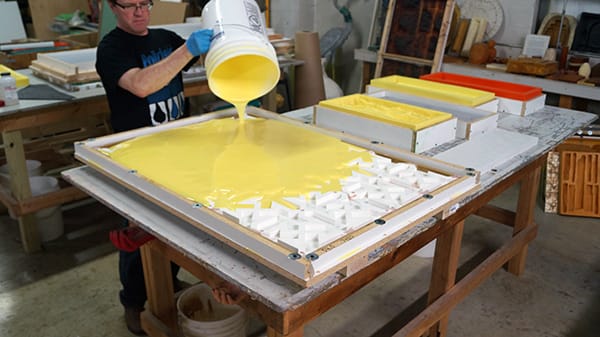
Every Glass Reinforced Concrete piece starts with a mold. The mold decides the shape, the surface texture, and the level of detail. It also decides how many times you can reproduce the same piece before the mold wears out or breaks. A good mold makes production smooth. It releases cleanly, holds its shape, and transfers … Read more
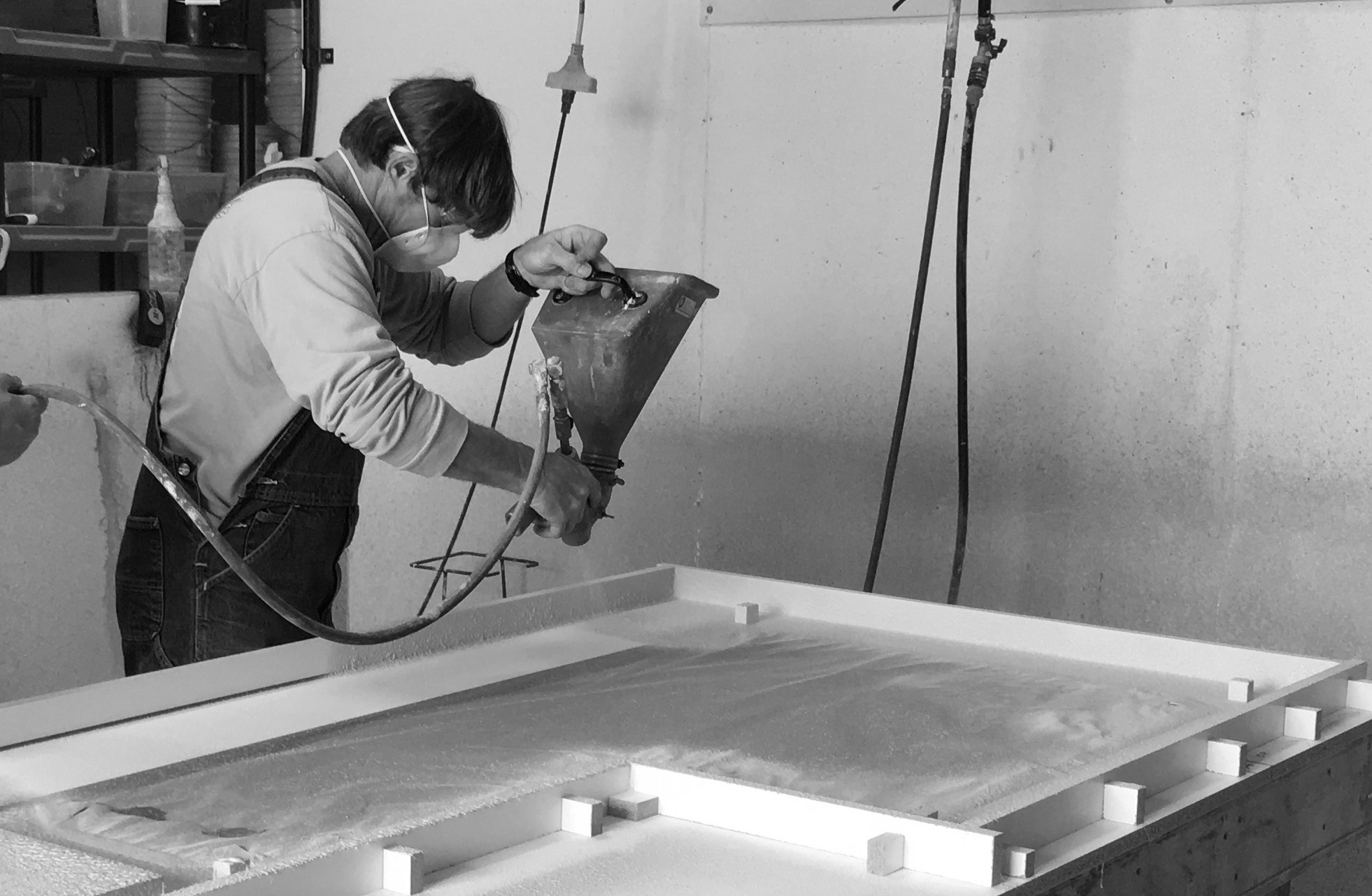
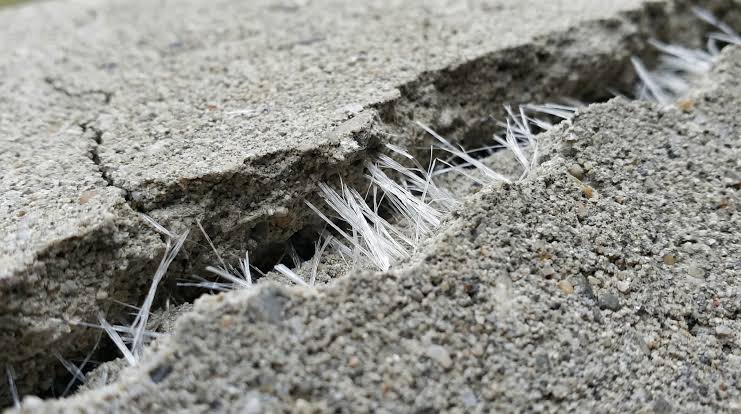
Glass Reinforced Concrete Surfaces: Paint, Gel Coat, and More

Glass Reinforced Concrete comes out of the mold with a raw surface. It looks grey, slightly porous, and unfinished. What happens next decides how it performs and how it looks for the rest of its life. Some Glass Reinforced Concrete gets painted. Some gets a gel coat. Some is sandblasted, acid-etched, or left to show … Read more

What Is Fiberglass Additive? Which Materials Is It Used In?

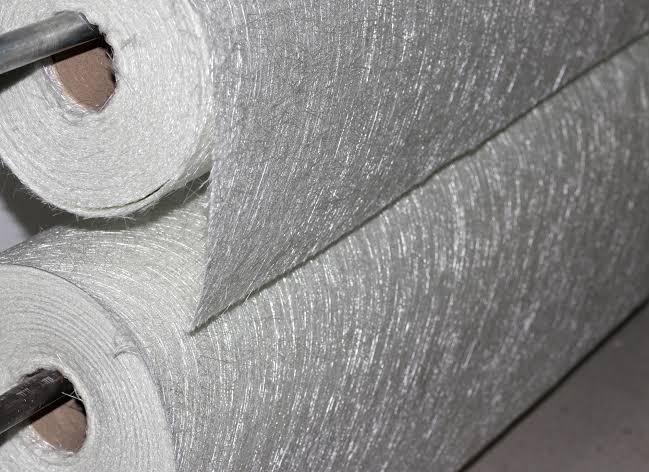
Fiberglass reinforcement is one of those things you have probably seen without realizing it. Boat hulls, car bumpers, building panels, water tanks—fiberglass is behind many of them. It makes weak materials stronger, lighter, and longer-lasting. So what is it exactly? Fiberglass reinforcement means mixing fine glass fibers into a base material like concrete, plastic, gypsum, … Read more

GFRC vs Precast Concrete vs Traditional Concrete: Which Is Best for Facades?

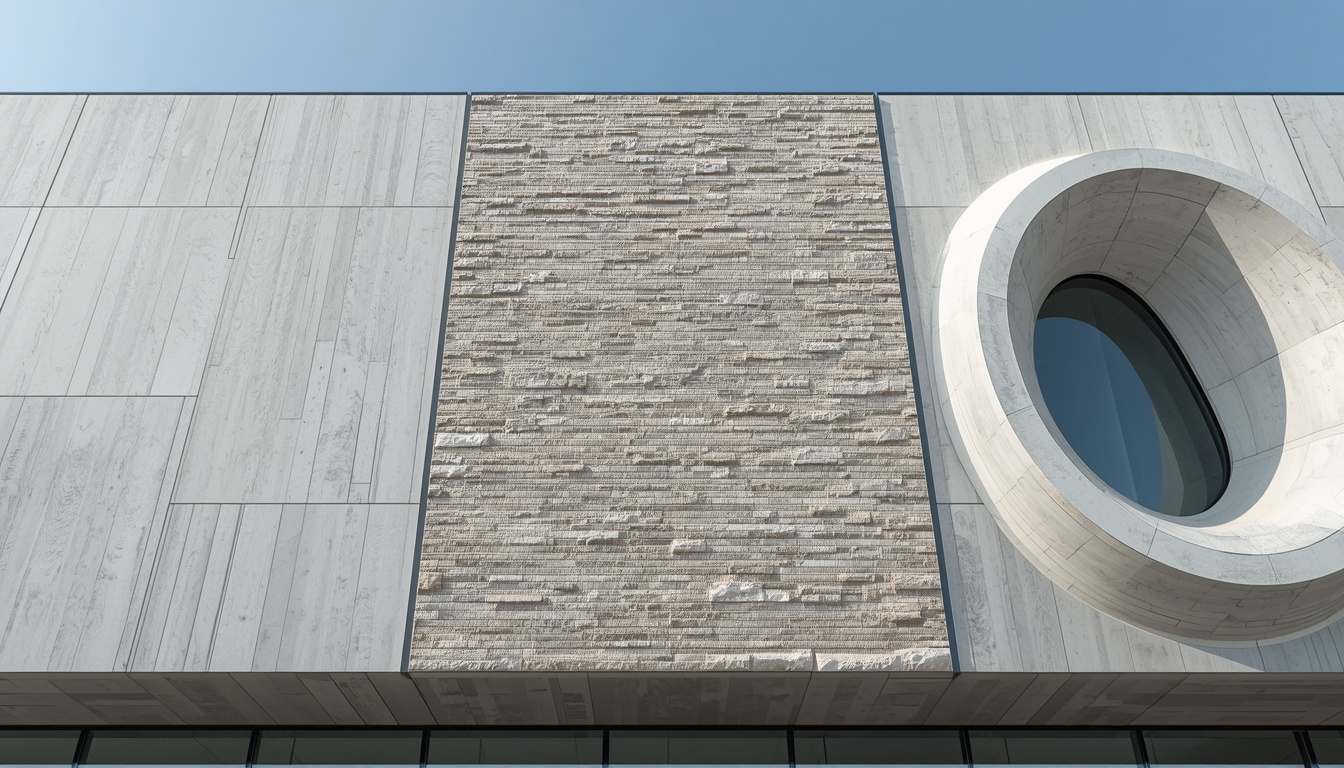
A building’s exterior cladding is essential for keeping it standing firmly for many years. When we think of exterior cladding, GFRC, traditional concrete, and precast concrete come to mind. These three exterior cladding systems each have their own distinct advantages. Therefore, it is important to understand their respective advantages and disadvantages before starting a project. … Read more

What Is Fiberglass? How Is It Produced? And In Which Fields Is It Used?

Fiberglass is produced by melting a mixture of silica sand, limestone, soda ash, and boron compounds at very high temperatures and then processing the molten material into fine fibers using machinery. Thanks to its lightweight, flexible, and durable structure, it is used in many different fields. What Is Fiberglass? It is produced from very fine … Read more

What Is Glass Reinforced Concrete? A Guide for Architects

Glass reinforced concrete, commonly known as GRC, is a composite material in which alkali-resistant glass fibers are used in place of the steel reinforcement typically found in conventional concrete. The glass fibers are dispersed into a cement-rich mold either by spraying or mixing. This allows the material to take the shape of the mold, and … Read more

GRC and GFRC Prices Per Square Meter (2026)

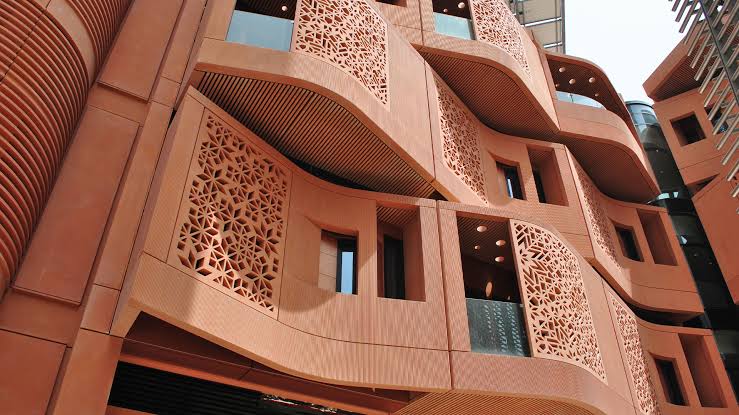
When you look at the exterior facades of significant architectural structures, you’ll notice that glass fiber reinforced concrete which gives these facades their striking aesthetic appeal adapts to all seasonal conditions thanks to its lightweight yet sturdy structure. We’ll see these geometric shapes frequently on the facades of new homes to be built in the … Read more

Flax Textile vs Glass Textile in Concrete: Performance Comparison

The construction industry stands at a crossroads between proven performance and environmental responsibility. For decades, alkali-resistant glass textiles have served as reliable reinforcement in cementitious composites, offering corrosion resistance and dimensional stability that traditional steel cannot match. More recently, flax-based textiles have emerged as a sustainable alternative, promising reduced carbon footprints and renewable sourcing. Yet … Read more

Aerogel Composite GRC Boards for Thermal and Sound Insulation

Buildings consume nearly 40 percent of global energy, with heating and cooling accounting for the largest share. Standard insulation materials—expanded polystyrene, mineral wool, polyurethane foam—have remained largely unchanged for decades. They insulate adequately but come with trade-offs. Thickness requirements eat into usable floor space. Moisture management demands careful detailing. Fire performance varies widely between products. … Read more

Green GRC+: Low Carbon Formulations Explained

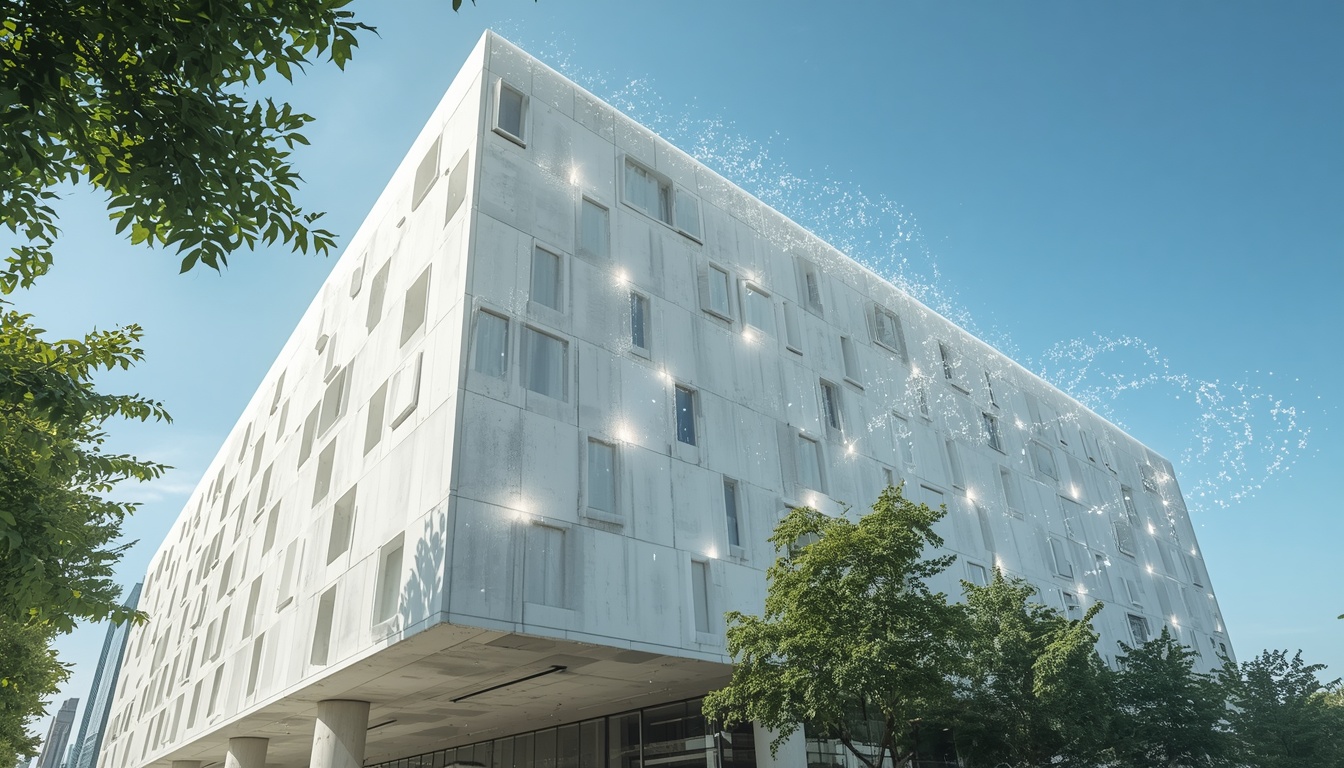
The construction industry’s environmental footprint has prompted material innovation. Traditional concrete production accounts for approximately 8% of global CO₂ emissions, with cement manufacturing as the primary contributor. Green GRC+ emerges as a solution to this challenge, offering a low-carbon alternative without sacrificing performance. Glass Reinforced Concrete (GRC) already provides environmental advantages over conventional concrete through reduced material usage … Read more