
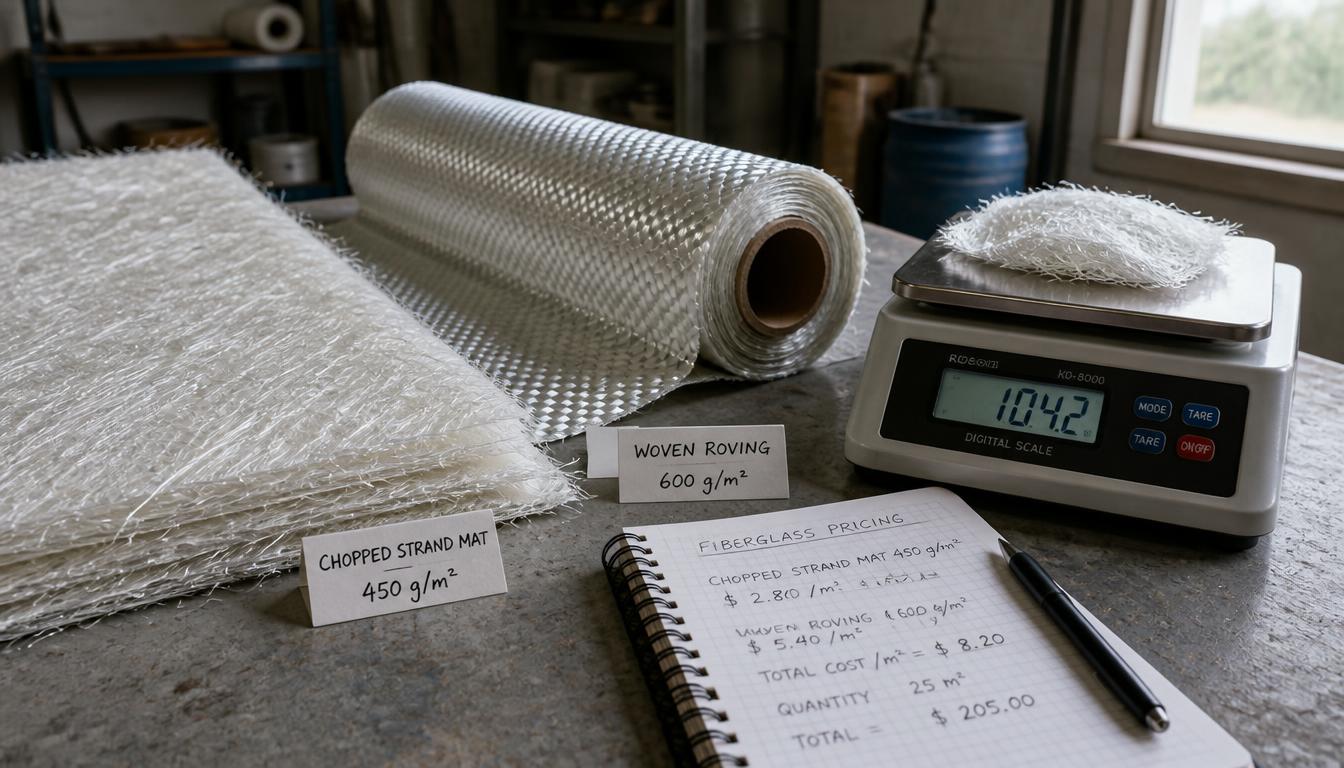
Fiberglass sits at an odd intersection. It is cheap enough to end up in a bathtub, yet strong enough to hold a wind turbine blade together for two decades. That range is exactly why pricing it is messy. A single kilogram of glass fiber can cost less than a loaf of bread or several times more, depending on whether it is chopped strand, woven roving, or a specialty S-glass fabric headed into aerospace tooling. Add resin, energy, labor, freight, and currency swings into the mix, and the number on an invoice stops looking like a material price and starts looking like a small economic snapshot.
This guide breaks that snapshot apart. It walks through raw material costs, resin inputs, product-level pricing, the real structure of production expenses, regional gaps, and the forces that push quotes up or down. It is written for buyers comparing suppliers, engineers costing out a lamination, and anyone trying to understand why the same fiberglass quote changed twice in six months. For a closer look at how glass reinforcement behaves in a finished window and why it holds up over time, this piece on fiber glass windows is worth reading alongside the cost figures below, since durability and price rarely move in the same direction.
What Is Fiberglass and Why Prices Matter
Fiberglass is glass drawn into thin filaments, then bundled, chopped, or woven into a reinforcement that gets locked inside a polymer matrix. The glass carries load; the resin holds it in place and shields it from moisture. Change either ingredient, and the finished part changes with it.
Cost matters because fiberglass rarely sells as a standalone item. It disappears into boats, pipes, tanks, panels, car parts, and building facades. A ten percent swing in glass or resin prices does not stay in the factory. It travels into construction budgets, marine refits, and infrastructure tenders. For a manufacturer working on thin margins, that swing decides whether a project stays profitable. For a buyer, it decides whether an alternative material suddenly looks attractive.
Global Fiberglass Raw Material Prices (2026)
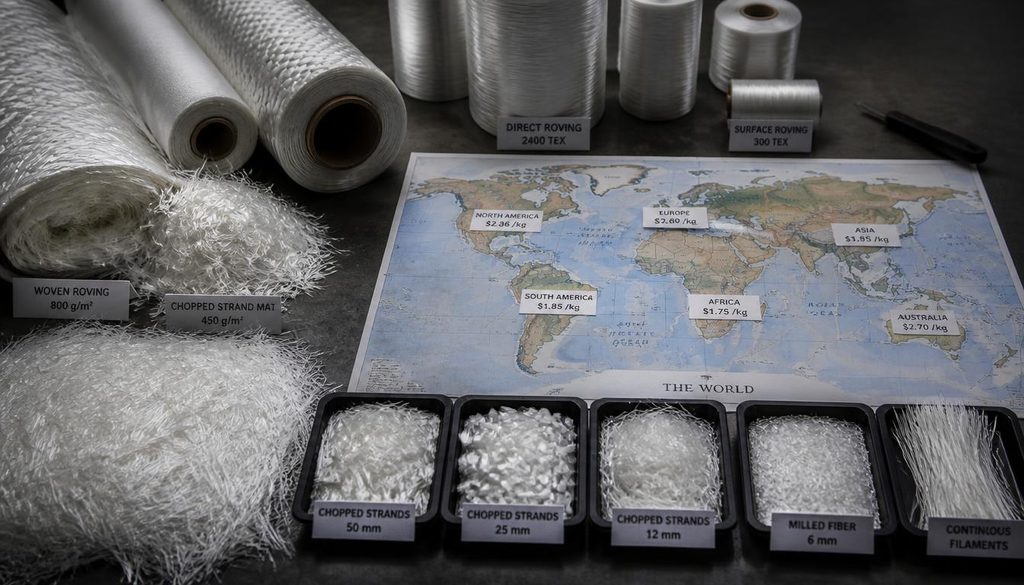
Raw glass fiber is not one product with one price. It is a family of materials graded by chemistry and form.
E-glass dominates volume. It offers decent strength, good electrical insulation, and low cost, which is why it shows up in pipes, tanks, and general composites. S-glass trades higher strength and stiffness for a steeper price, and it tends to appear where weight savings justify the premium. C-glass resists corrosion in acidic environments. AR-glass survives alkaline contact, so it finds a home in concrete reinforcement.
Form matters as much as chemistry. Chopped strand sells by the kilogram in bulk bags. Continuous roving comes on spools. Woven fabrics, mats, and milled fiber each carry their own surcharge. Bulk buyers in the United States, Europe, and Asia typically pay far less per ton than small workshops ordering a few rolls. Turkey sits in a middle band: domestic production exists, but specialty grades still arrive through imports, and that import layer adds cost.
Resin and Chemical Input Costs
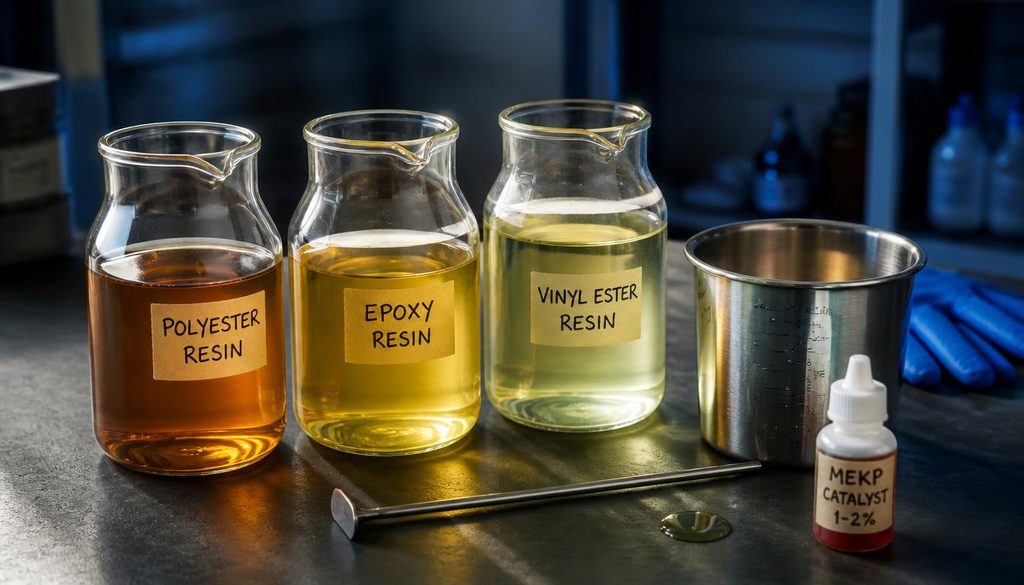
Glass provides the skeleton. Resin decides whether the skeleton survives contact with water, heat, and chemicals.
Polyester resin is the workhorse. It is inexpensive, easy to handle, and adequate for most general laminates. Epoxy costs noticeably more, but it bonds better, shrinks less, and performs under load with far greater reliability, which is why aerospace and high-end marine work rarely substitutes it. Vinyl ester splits the difference, offering corrosion resistance closer to epoxy at a price closer to polyester.
Behind these resins sit upstream chemicals that most buyers never see. Styrene feeds polyester production, and its price moves with crude oil derivatives. Naphtha feeds epoxy pathways, so a disruption in refining or shipping ripples into resin quotes within weeks. Gelcoats, catalysts, accelerators, and fillers each add their own line to the bill. When a supplier blames “raw material pressure,” this is usually where it started.
Fiberglass Product Prices by Category
Moving from raw inputs to finished goods, pricing splits along application lines.
Reinforcement formats, including mat, roving, and woven cloth, are priced by weight and grade. Construction and infrastructure products, such as fiberglass pipes, gratings, and profiles, are quoted per meter or per unit, and larger diameters climb steeply because material volume grows with the square of the radius. Consumer and industrial goods, from storage tanks to bathtubs to boat hulls, are priced per piece, and here labor and mold costs often outweigh the glass itself.
A useful habit is to compare cost per kilogram against cost per function. A cheap mat that absorbs extra resin can cost more in the end than a pricier fabric that wets out cleanly and needs less labor.
Cost Breakdown of Fiberglass Production
Producing glass fiber is energy-heavy. Furnaces run continuously at high temperature, and stopping them is expensive, so plants operate around the clock.
Direct materials, meaning glass batch and chemicals, typically absorb the largest single share of cost. Energy follows closely and can rival materials when gas and electricity prices spike. Labor takes a smaller slice in automated lines but grows in hand lay-up shops. Overhead covers maintenance, depreciation, tooling, and waste.
The practical takeaway is that fiberglass economics reward scale and vertical integration. A plant that generates its own power or secures long-term gas contracts can undercut competitors without cutting quality. A small workshop cannot compete on that axis, so it competes on customization instead.
Regional Price Differences (Turkey, Europe, Asia, US)
Geography changes the number on the quote even when the product is identical.
Asia, particularly China, holds a large share of global capacity, which keeps regional prices competitive but exposes buyers elsewhere to freight and duty costs. Europe faces tighter environmental rules and higher energy prices, pushing production costs upward. The United States benefits from cheap domestic gas in some regions, which softens energy pressure but not resin or labor costs. Turkey blends domestic output with imports, and lira volatility means local quotes can shift faster than global benchmarks. Currency movement alone can erase the advantage of a cheaper factory gate price.
What Drives Fiberglass Prices Up or Down
Several forces act at once, and they rarely pull in the same direction.
Supply and demand set the baseline. When wind energy, electric vehicles, and data center construction all expand simultaneously, glass fabric tightens and lead times stretch. Energy prices inject volatility, especially in regions dependent on imported gas. Geopolitical events can choke shipping lanes and cut off upstream chemicals, as disruptions near major straits have shown. Currency swings reshape import costs overnight. Seasonal construction cycles add a quieter rhythm, with demand rising in building season and softening in winter.
Market Outlook and Future Price Trends
Looking ahead, demand from renewable energy, electrification, and lightweight transportation shows no sign of fading, which supports steady consumption of glass reinforcement. At the same time, new furnace capacity takes years to build, so short-term tightness can persist even when long-term supply looks adequate.
On the cost side, energy transition cuts both ways. Cheaper renewables may lower electricity expenses for producers, but volatile gas markets keep risk alive. Recycling remains a weak point, since thermoset composites are difficult to reclaim, and that limitation could eventually influence regulation and pricing. Expect gradual price normalization rather than a sharp drop.
How to Reduce Fiberglass Costs in Your Project
Savings usually come from design and purchasing discipline, not from squeezing suppliers.
Match the material to the job. Using S-glass where E-glass performs adequately wastes money. Choosing a fabric that wets out efficiently reduces resin consumption and labor. Buying in larger volumes lowers unit prices, though storage and shelf life impose limits. Standardizing on fewer resin and fabric types simplifies inventory and improves negotiating leverage. Reducing waste through better cutting plans and mold design pays off quietly but consistently. Finally, comparing total landed cost rather than unit price prevents freight, duty, and currency surprises from eating the apparent savings.
Frequently Asked Questions
Is fiberglass getting more expensive?
It fluctuates. Resin and energy costs have pushed prices upward in recent years, while capacity expansions have pulled some grades back down.
What is the cheapest type of fiberglass?
General-purpose E-glass in chopped strand or mat form is typically the least expensive option.
How much does fiberglass cost per kilogram?
It varies widely by grade and region, from budget industrial grades to specialty fabrics that cost several times more.
Why is epoxy more expensive than polyester?
Epoxy involves costlier raw materials and more demanding production, but it delivers better adhesion, lower shrinkage, and stronger performance under load.
Can fiberglass prices go down again?
They can, especially if energy costs ease and new capacity comes online, but a return to older price levels is unlikely given structural demand growth.

Emma Clarke is an architect with a background in building materials and facade engineering. She has worked on GRC projects in various climates and specializes in material performance and restoration.