Glass Reinforced Concrete Mold Making: Materials and Methods
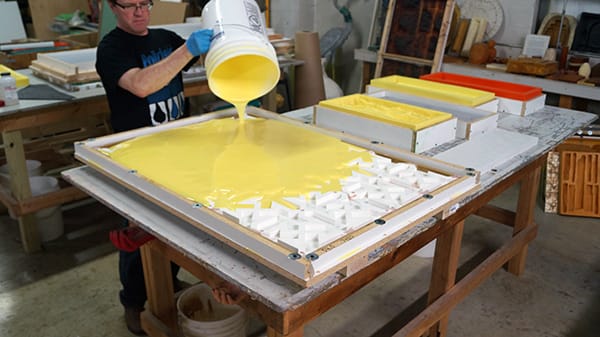
Every Glass Reinforced Concrete piece starts with a mold. The mold decides the shape, the surface texture, and the level of detail. It also decides how many times you can reproduce the same piece before the mold wears out or breaks. A good mold makes production smooth. It releases cleanly, holds its shape, and transfers … Read more
Glass Reinforced Concrete Surfaces: Paint, Gel Coat, and More

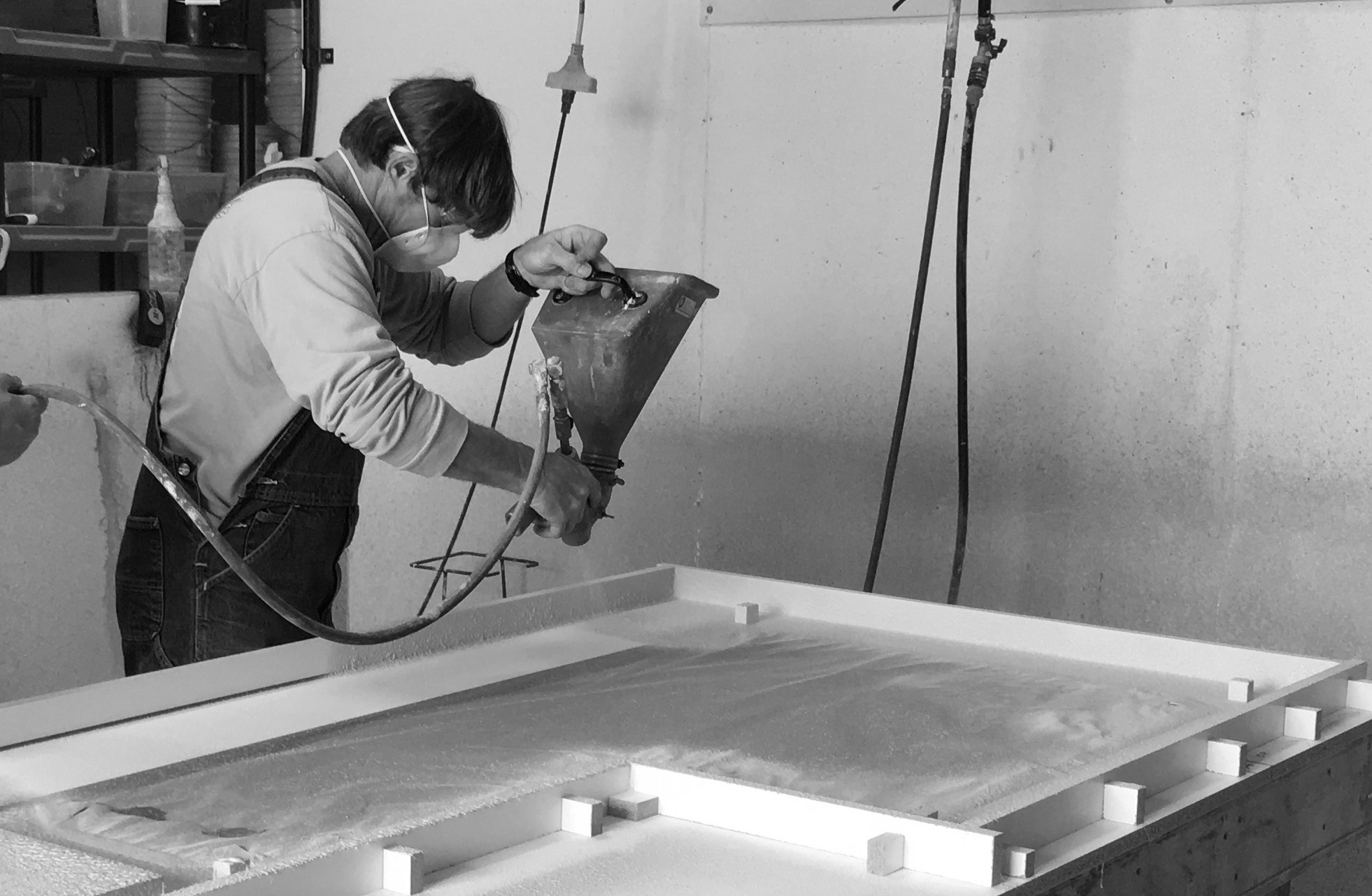
Glass Reinforced Concrete comes out of the mold with a raw surface. It looks grey, slightly porous, and unfinished. What happens next decides how it performs and how it looks for the rest of its life. Some Glass Reinforced Concrete gets painted. Some gets a gel coat. Some is sandblasted, acid-etched, or left to show … Read more

GFRC in Landscape Architecture: Planters, Benches, and More

Landscape architects work with stone, concrete, wood, metal, and glass. Each has its place. But when a project needs something light, durable, and easy to shape, GFRC landscape often wins. Glass Fiber Reinforced Concrete is not new. It has been used in facades and decorative panels for decades. In landscape design, it shows up in … Read more

What Is Fiberglass Additive? Which Materials Is It Used In?

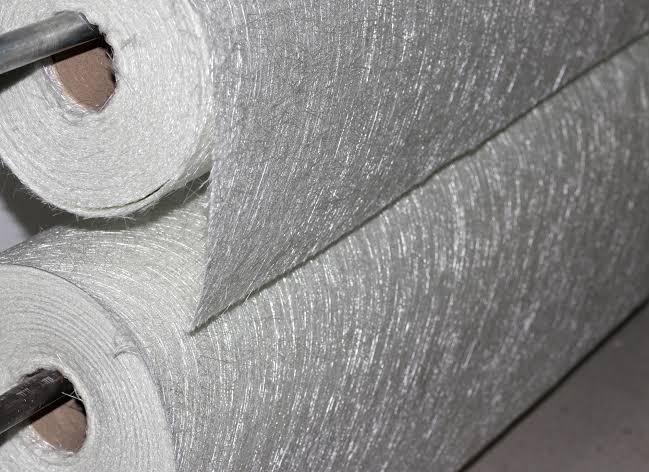
Fiberglass reinforcement is one of those things you have probably seen without realizing it. Boat hulls, car bumpers, building panels, water tanks—fiberglass is behind many of them. It makes weak materials stronger, lighter, and longer-lasting. So what is it exactly? Fiberglass reinforcement means mixing fine glass fibers into a base material like concrete, plastic, gypsum, … Read more

GFRC Maintenance: How to Clean Your Panels

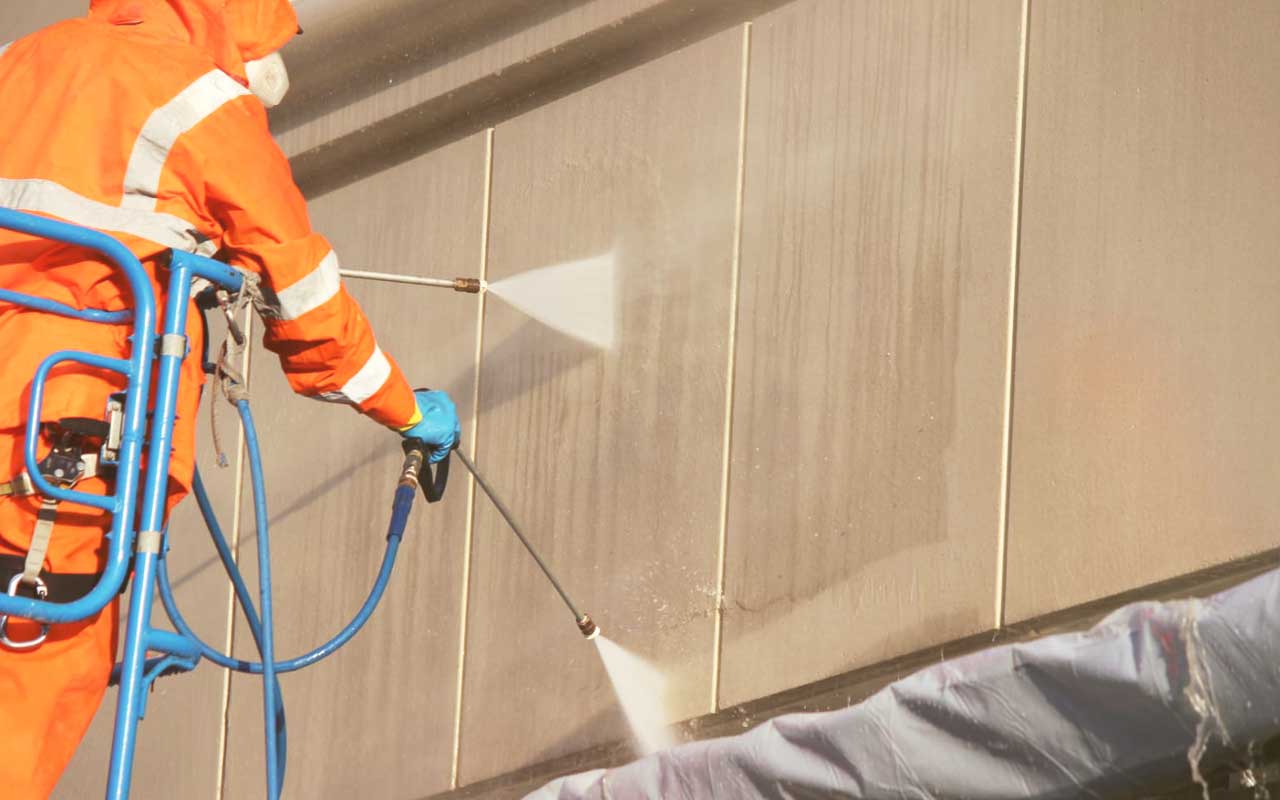
Because glass reinforced concrete panels are dense and have low porosity, they offer better resistance to moisture, dirt, and contamination than traditional concrete panels, so they require no maintenance for many years. However, as with everything else, after a certain period of time, glass-fiber-reinforced concrete panels also require maintenance and cleaning. In this article, we … Read more

GFRC vs Precast Concrete vs Traditional Concrete: Which Is Best for Facades?

A building’s exterior cladding is essential for keeping it standing firmly for many years. When we think of exterior cladding, GFRC, traditional concrete, and precast concrete come to mind. These three exterior cladding systems each have their own distinct advantages. Therefore, it is important to understand their respective advantages and disadvantages before starting a project. … Read more

What Is Fiberglass? How Is It Produced? And In Which Fields Is It Used?

Fiberglass is produced by melting a mixture of silica sand, limestone, soda ash, and boron compounds at very high temperatures and then processing the molten material into fine fibers using machinery. Thanks to its lightweight, flexible, and durable structure, it is used in many different fields. What Is Fiberglass? It is produced from very fine … Read more

An Overview of GRC Cladding Installation

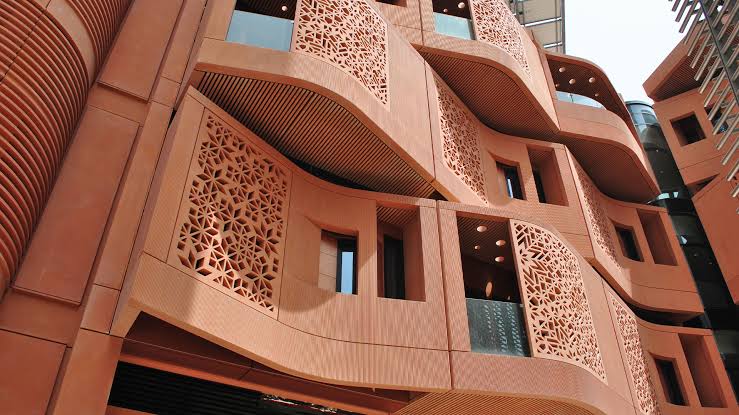
GRC cladding is the final layer of a building’s interior or exterior facade. Architects frequently opt for GRC cladding these days. People seeing GRC cladding for the first time are surprised by how aesthetically pleasing it looks. In fact, it has been used as a construction material for 50 years, but since glass reinforced concrete … Read more

What Is a GFRC Panels? Properties, Applications, and Advantages

The foundations of modern construction began to be laid in the 1960s and 1970s. Since steel reinforcements could not be shaped to meet flexibility and aesthetic requirements, architects and those with an aptitude for this field began searching for a new material and discovered glass reinforced concrete (GFRC). Because GFRC is extremely strong, lightweight, and … Read more

What Is Glass Reinforced Concrete? A Guide for Architects

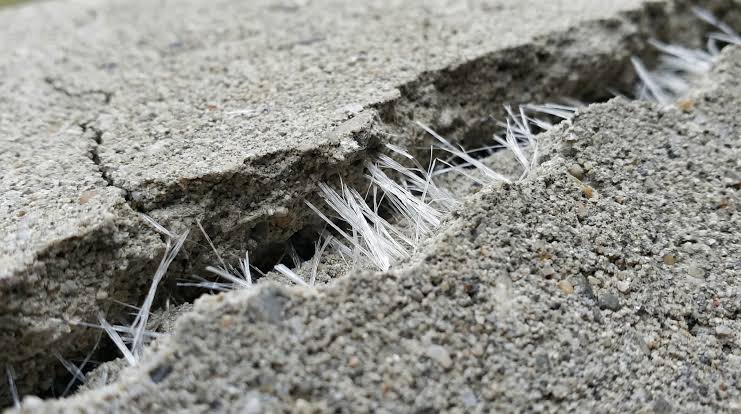
Glass reinforced concrete, commonly known as GRC, is a composite material in which alkali-resistant glass fibers are used in place of the steel reinforcement typically found in conventional concrete. The glass fibers are dispersed into a cement-rich mold either by spraying or mixing. This allows the material to take the shape of the mold, and … Read more