
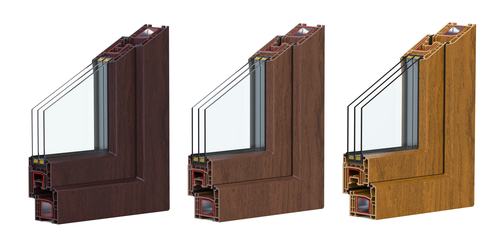
Windows are the weakest point of any building envelope. No matter how well the walls are insulated, heat finds its way out through the frame. Cheap frames warp, crack, and leak within a few years. Better ones last longer, but they still need repainting or resealing. Window fiber glass was developed to solve that problem, and it does it better than most alternatives.
The material itself is not new. Fiberglass has been used in boats, cars, and industrial equipment for decades because it does not rust, rot, or absorb water. The same properties that keep a boat hull intact after twenty years at sea are what make fiberglass window frames last. The technology behind the material is explained in more detail in this guide on what fiberglass is and how it is produced.
What makes window fiber glass different from vinyl or aluminum is the way it is made. The profiles are pultruded, which means the glass fibers are pulled through a resin bath and a heated die. The fibers run the full length of the profile, not chopped and scattered like in molded parts. That continuous reinforcement is why the frames stay straight in heat and do not crack in cold.
This article covers what window fiber glass is, how it is made, why it lasts, and how it compares to vinyl, wood, and aluminum. It also looks at where it is used, how it is installed, and what maintenance it needs.
What Is Window Fiber Glass?
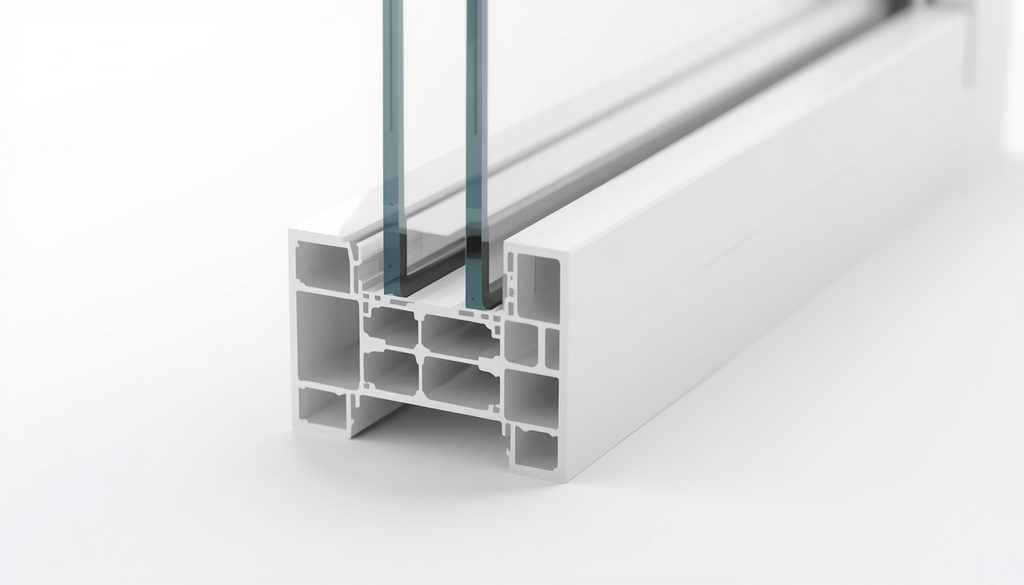
Window fiber glass is a composite material. It is made of glass fibers held together in a resin matrix. The fibers give it strength. The resin holds everything together and protects the fibers from moisture and UV.
It is not the same as the fiberglass insulation you find in attics. That material is loose, fluffy, and designed to trap air. Window fiber glass is dense, rigid, and structural. It is made to carry load and hold its shape for decades.
Glass fiber reinforced composite explained
The term “glass fiber reinforced composite” sounds technical, but the idea is simple. Two materials are combined to get the best of both. Glass fibers are strong under tension but brittle on their own. Resin is tough but not very stiff. Together, they form something that is both strong and durable.
The same principle is used in boat hulls, car panels, and aircraft parts. Window profiles use the same family of materials, just in a different shape.
What pultrusion means
Most window fiber glass profiles are made by pultrusion. The word comes from “pull” and “extrusion.” Instead of pushing material through a die, the process pulls it.
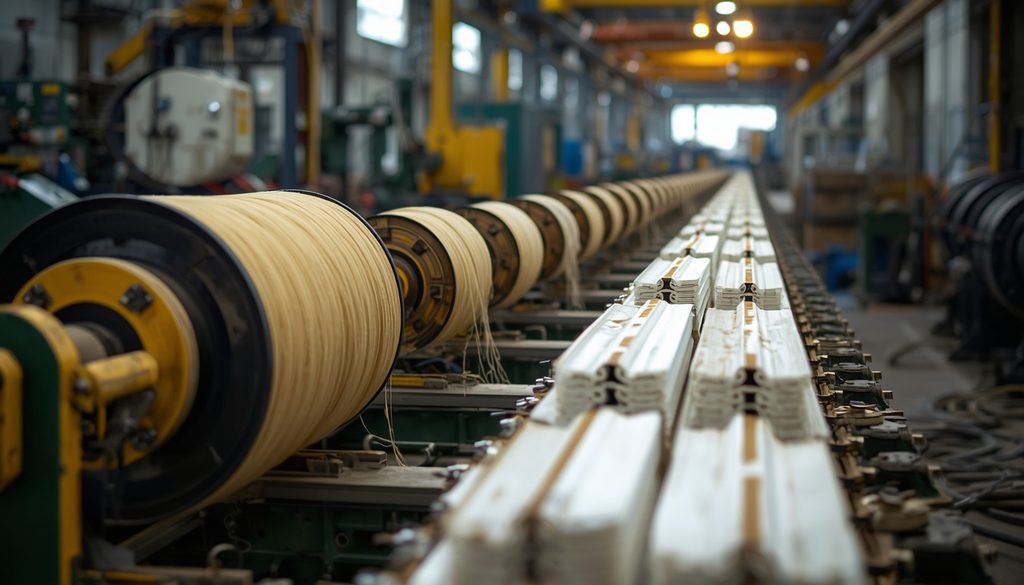
Glass fiber rovings are pulled from spools through a resin bath. The resin soaks into the fibers. Then the wet fibers are pulled through a heated die that shapes them into the final profile. The heat cures the resin. The profile comes out hard, straight, and ready to cut.
Because the fibers run continuously from end to end, the profile has strength along its full length. This is different from molded fiberglass, where fibers are chopped and random. Continuous fibers give pultruded profiles much higher stiffness and dimensional stability.
How window profiles are made
After pultrusion, the profiles are cut to length. They may be machined for hardware, drainage, and weatherstripping. Some profiles get a coating or a colored finish. Then they are assembled into window frames and sashes.
The process is continuous. A single pultrusion line can produce hundreds of meters of profile in a day. That makes it efficient for large orders but flexible enough for custom shapes.
How Window Fiber Glass Is Made
Window fiber glass is not molded or cast. It is pulled. The process is called pultrusion, and it is what gives the profile its strength and straightness.
The pultrusion process step by step
Glass fiber rovings sit on creels at the start of the line. Each roving is a bundle of continuous glass filaments. They are pulled off the creels and guided into a resin bath. The resin is usually polyester, vinyl ester, or polyurethane. Vinyl ester is common for window profiles because it resists moisture and UV better than standard polyester.
After the resin bath, the wet fibers pass through a preforming guide. This guide arranges the fibers into the rough shape of the final profile. Sometimes surface veils or mats are added to improve the finish and protect against UV.
Next, the material enters a heated die. The die has the exact cross-section of the window profile. As the fibers pass through, the heat cures the resin. The profile exits the die hard and solid. It is then pulled by a set of reciprocating clamps and cut to length with a saw.
The whole line runs continuously. Fiber goes in one end, finished profile comes out the other.
Resin and fiber combination
The ratio of fiber to resin matters. Most pultruded profiles are around 60–70% glass fiber by weight. Higher fiber content gives more strength and stiffness. Lower fiber content makes the profile easier to process but weaker.
The type of glass fiber also matters. E-glass is the standard for window profiles. It is strong, cheap, and resists moisture well. AR-glass is not used here because there is no alkaline cement to attack the fibers.
Surface veils are often added on the outside of the profile. These are thin mats of polyester or glass that create a smooth finish and protect against UV. Without a veil, the fibers can show through and the surface can chalk over time.
Cutting and finishing profiles
After pultrusion, the profiles are cut to the required length. They may be machined for drainage slots, hardware holes, and weatherstrip channels. Some profiles are coated with paint or a protective film. Others are left with a smooth, natural finish.
The finished profiles are straight, dimensionally stable, and ready to assemble. Unlike wood, they do not need to be dried or planed. Unlike vinyl, they do not need to be heated and bent into shape.
Why Fiber Glass Windows Last Longer
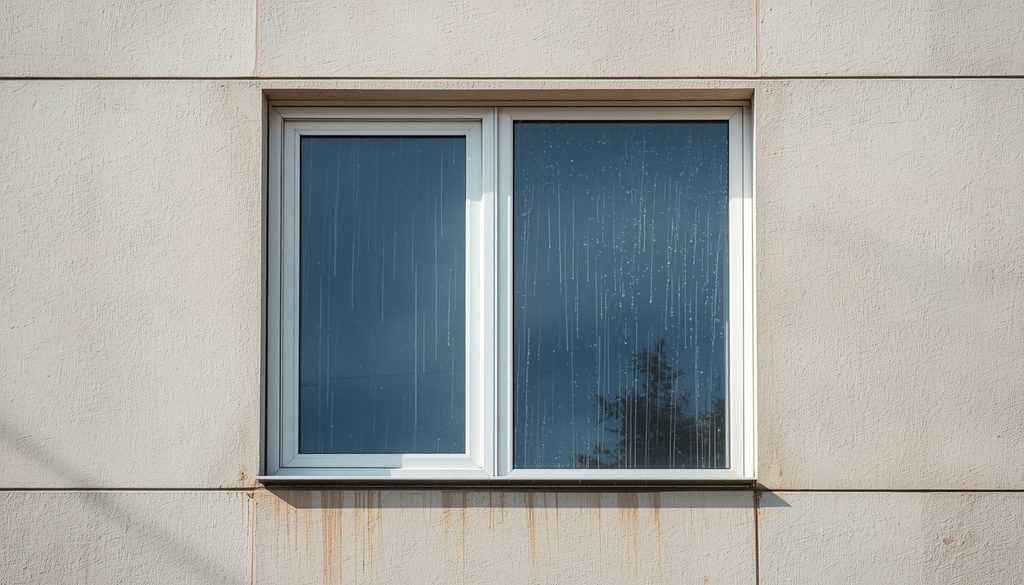
A window frame has to survive everything the weather throws at it. Sun, rain, frost, salt, and temperature swings all take their toll. Most materials fail in one of these areas. Fiber glass handles all of them.
No rust, rot, or corrosion
Steel rusts. Wood rots. Aluminum corrodes in coastal air. Fiber glass does none of these. The glass fibers do not react with water or oxygen. The resin matrix seals them off from the environment. There is no metal inside to rust, no organic material to rot, and no chemical reaction that breaks the material down over time.
That is why fiber glass windows are common in coastal areas. Salt spray destroys vinyl and corrodes aluminum, but fiber glass is unaffected.
Dimensional stability in heat and cold
Vinyl expands and contracts a lot with temperature. On a hot day, a dark vinyl frame can grow several millimeters. On a cold night, it shrinks back. That movement stresses the seals, loosens the glass, and can cause the frame to warp over time.
Fiber glass moves far less. The coefficient of thermal expansion is close to that of glass itself. That means the frame and the glass move together. Seals stay tight. The frame stays straight. Windows open and close smoothly even after years of temperature cycling.
UV and moisture resistance
Sunlight breaks down many plastics. Vinyl chalks and becomes brittle. Wood dries and cracks. Fiber glass resists UV because the resin matrix and surface veil protect the fibers underneath. Some profiles use UV-stable resins or coatings for extra protection.
Moisture is the other long-term threat. Fiber glass does not absorb water. It does not swell, soften, or grow mold. That matters in humid climates and in buildings with high indoor humidity.
Impact and stress performance
Fiber glass is strong. It resists impact better than vinyl, which can crack in cold weather. It also handles structural loads well. That is why fiber glass profiles are used in large windows, sliding doors, and commercial facades where wind loads are high.
A fiber glass frame does not need steel reinforcement the way vinyl often does. The profile itself carries the load.
Advantages of Fiber Glass Window Frames
Fiber glass frames cost more than vinyl upfront. That is the main reason they are not everywhere. But the advantages show up over time, and for some projects they matter more than the initial price.
Energy efficiency and thermal insulation
Fiber glass has low thermal conductivity. It does not conduct heat or cold the way aluminum does. Aluminum frames need a thermal break to perform well. Fiber glass does not. The profile itself is the thermal break.
The frames can also be made with hollow chambers that improve insulation further. Some profiles use foam-filled chambers for even better performance. Because fiber glass is strong, the frame can be slimmer while still holding the glass. That means more glass area and more daylight for the same opening size.
Low maintenance and no painting
Vinyl needs cleaning but not painting. Wood needs repainting every few years. Aluminum needs occasional touch-ups. Fiber glass needs almost nothing. A wipe with mild soap and water is enough. The color goes through the profile, so scratches do not show as bare spots. If the surface does get damaged, it can be sanded and polished.
There is no rot, no rust, and no warping. That means no repairs, no replacement parts, and no ongoing cost beyond basic cleaning.
Slim profiles and more glass area
Fiber glass is strong enough to make thin profiles. That matters for two reasons. First, a slimmer frame means more visible glass. The window looks larger and lets in more light. Second, it gives architects more freedom in design. Large windows and floor-to-ceiling glazing are easier to achieve with fiber glass than with wood or vinyl.
The strength also allows larger panes. Fewer mullions and dividers mean a cleaner look.
Color and finish options
Fiber glass profiles can be produced in many colors. The pigment can be mixed into the resin, so the color runs through the whole profile. That means scratches and chips are less visible. Alternatively, profiles can be painted or coated for a specific finish.
Wood-grain finishes are available for projects that need a traditional look. Matte, satin, and gloss surfaces are all possible. The finish does not fade or chalk the way vinyl can.
Fiber Glass vs. Other Window Frame Materials
Every frame material has a trade-off. Vinyl is cheap but moves. Wood looks good but needs work. Aluminum is strong but conducts heat. Fiber glass sits at the top of the list for performance, but it also costs more. Here is how it compares.
Fiber glass vs. vinyl
Vinyl is the most common window frame material in residential construction. It is cheap, easy to produce, and needs little maintenance. The problem is movement. Vinyl expands and contracts with temperature far more than fiber glass. Over time, that movement can warp the frame, loosen the glass, and break the seals.
Vinyl also gets brittle in cold weather. It can crack under impact. And it cannot be made as slim as fiber glass without steel reinforcement, which adds cost and creates a thermal bridge.
Fiber glass costs more, but it stays straight, handles cold better, and does not need reinforcement. For cold climates and large windows, fiber glass wins.
Fiber glass vs. wood
Wood is the traditional choice. It looks warm, can be painted or stained, and is easy to repair. The problem is maintenance. Wood swells when wet and shrinks when dry. It rots if water gets in. It needs repainting every few years, and that cost adds up over the life of the window.
Fiber glass does not rot, swell, or need painting. It can mimic wood grain if the look matters. It costs more upfront but far less over time.
Fiber glass vs. aluminum
Aluminum is strong, light, and does not rust. It is common in commercial buildings and modern residential designs. The problem is thermal conductivity. Aluminum conducts heat and cold very well. Without a thermal break, it becomes a bridge that lets heat escape in winter and enter in summer.
Fiber glass does not conduct heat the same way. It is naturally insulating. It is also warmer to the touch in cold weather. For energy performance, fiber glass is the better choice.
Fiber glass vs. hybrid systems
Some window systems combine materials. Wood frames with aluminum cladding are common. Vinyl frames with fiber glass reinforcement are another option. Hybrid systems try to get the best of both materials.
They work, but they also add complexity. Two materials move at different rates. Joints can open over time. Fiber glass avoids that problem because the frame is one material from surface to core.

Emma Clarke is an architect with a background in building materials and facade engineering. She has worked on GRC projects in various climates and specializes in material performance and restoration.