
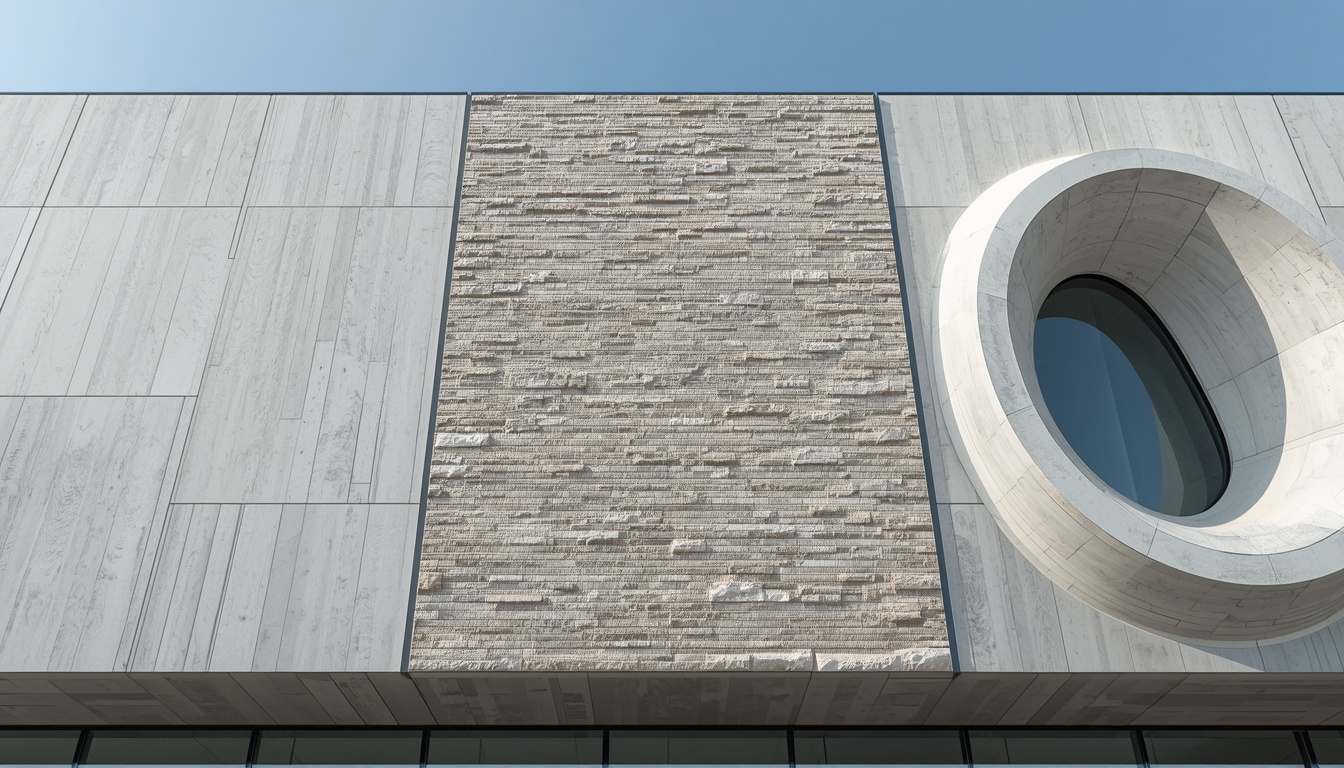
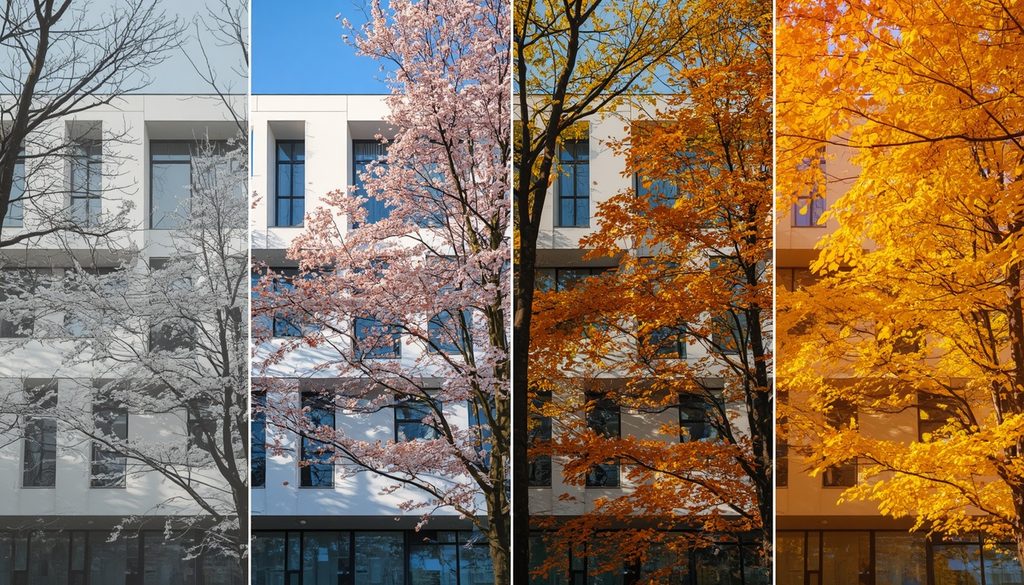
When you look at the exterior facades of significant architectural structures, you’ll notice that glass fiber reinforced concrete which gives these facades their striking aesthetic appeal adapts to all seasonal conditions thanks to its lightweight yet sturdy structure. We’ll see these geometric shapes frequently on the facades of new homes to be built in the future. It’s very important to know the price per square meter before using glass fiber reinforced concrete.
The price per square meter of glass-reinforced concrete depends on several factors. These may include the geometric shapes involved, the project’s location, its size, and other factors. For this reason, one person might quote a price of $150 per square meter, while another might quote $400 per square meter.
We can determine the cause of this price fluctuation by examining the factors that affect costs. These may include raw materials, geometric molds, surface treatments to be applied, as well as transportation and assembly.
GRC/GFRC Price Ranges Per Square Meter (2026 Update)
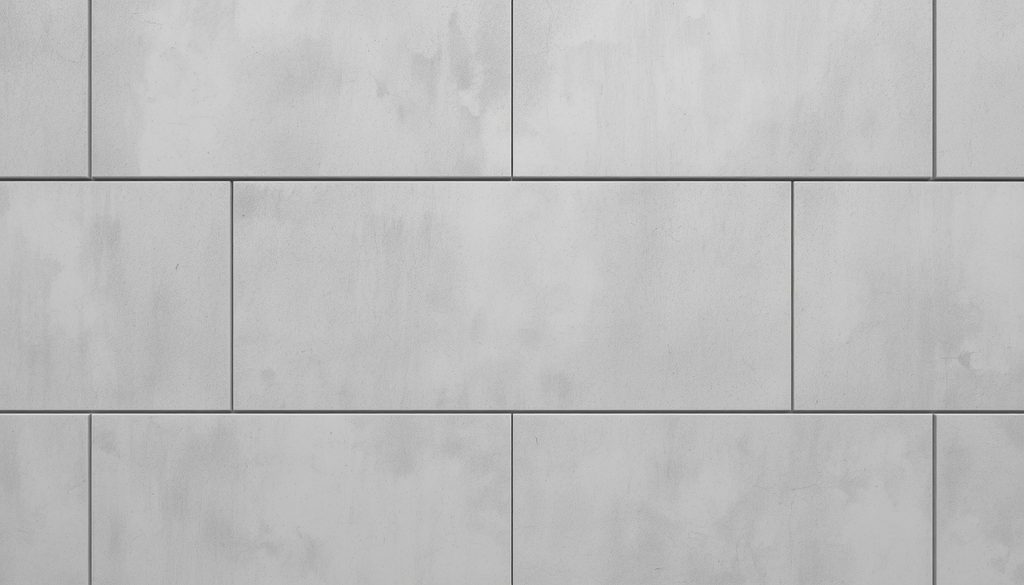
To provide clearer pricing based on design variety, we can divide GRC and GFRC panels into three categories. Among the most economical panels is a standard, flat, and smooth panel with a gray surface. The price per square meter ranges from $140 to $200. These panels are suitable for ordinary projects and are a good choice for those who do not prioritize aesthetics.
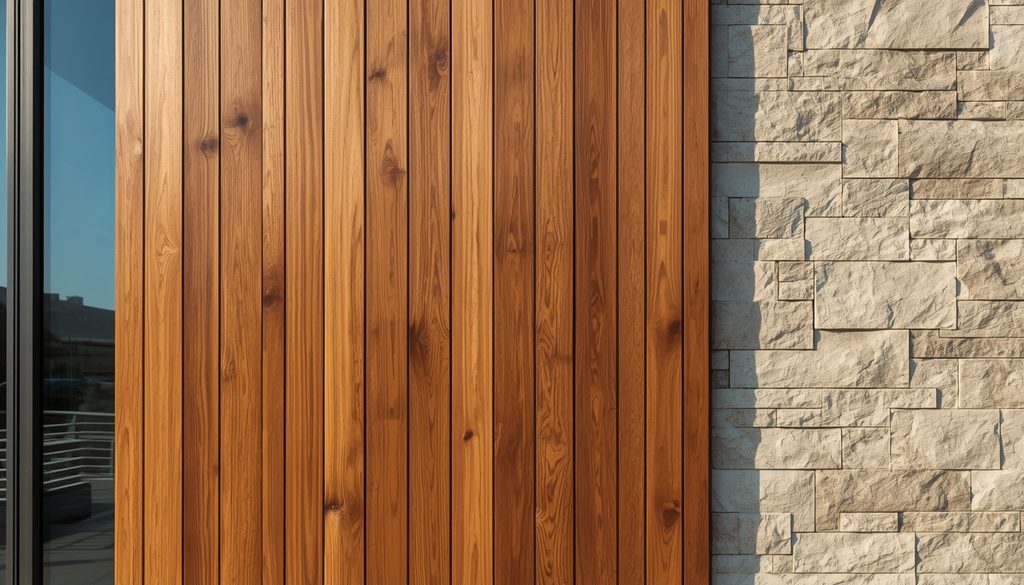
Panels with wood-like or stone-effect finishes, as well as those with subtle relief designs, feature textured and patterned surfaces. Because they require additional labor and other costs, their price per square meter ranges from $210 to $280.
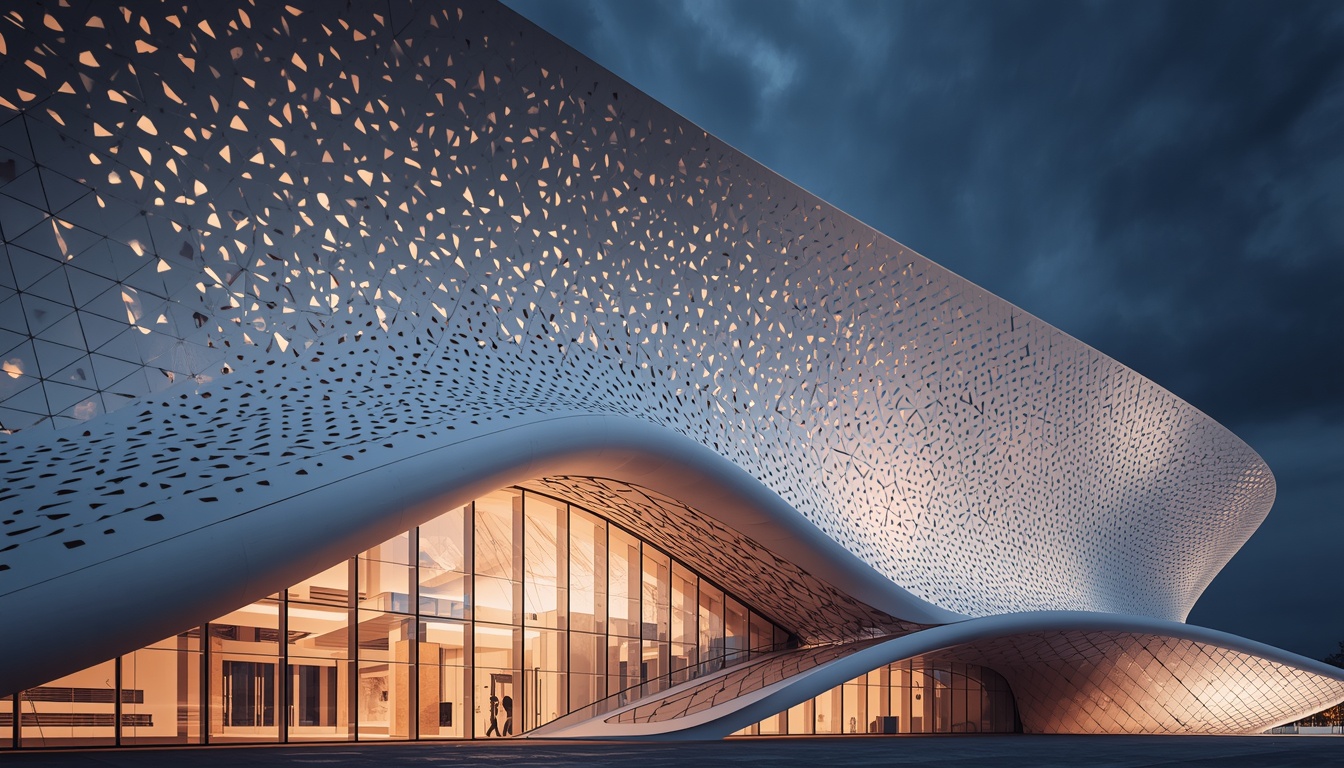
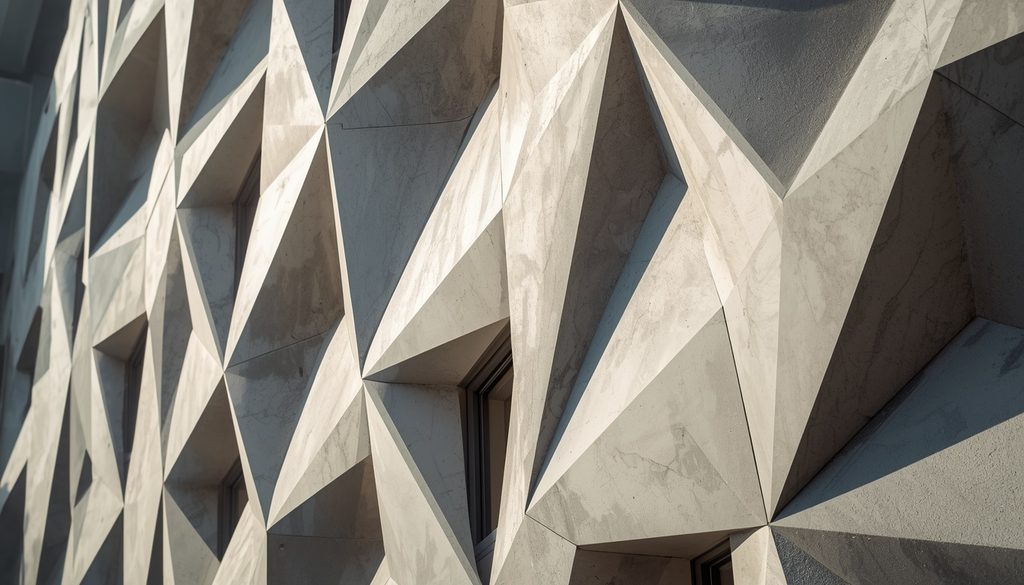
The most expensive options are for complex geometric shapes and custom designs, with prices ranging from $280 to $350 per square meter. When you examine designs by Zaha Hadid and other GFRC architects, you’ll see perforated, carved, and double-curved GFRC or GRC panels.
The prices listed here are for the formwork processes of the designs only. Additionally, the costs of installation, transportation, and other minor tasks are not included.
5 Key Factors That Determine the Price Per Square Meter
Prices for GFRC and GRC panels are not calculated arbitrarily. Every quote provided to you depends on the project’s details, design, and the decisions made during the engineering and production phases. A full understanding of these factors enables the project developer to estimate the price per square meter and determine the best quote by identifying potential cost savings without compromising on quality.
The primary factor in determining prices here is the geometric shape of the panel to be produced. Since a flat, rectangular panel is simple, production can begin immediately without requiring much effort. However, a double-curved panel with variable thickness requires a special mold, which in turn demands precise craftsmanship and an extended curing time. To put it very clearly, the more complex the shape, the higher the price per square meter.
If the molds consist of a single piece, it is easy to produce hundreds of panels due to the frequency of reuse, and the unit price decreases. This is not the case with custom facades; since multiple and complex molds are generally used, each panel is unique. For this reason, the mold cost is applied to a single piece, which is why prices increase.
Another factor is color. The standard gray panel we mentioned first requires the least amount of processing, so its price is lower. Pigmented surfaces, textured surfaces, and protective coatings add to the material and labor costs. If the project includes custom colors or stone-like geometric shapes, the price will be higher.
The dimensions and weights of the panels produced also affect their prices. Large GFRC panels require careful handling and transportation. Very small GRC panels, on the other hand, increase the number of workers needed for production, handling, and installation, which in turn affects the unit price.
Long-Term Cost Advantages of GFRC
What we just mentioned was only the cost per square meter of production. GFRC panels are more cost-effective than traditional precast concrete and stone cladding. However, over the long term, GFRC is more cost-effective. It is much more durable than regular concrete, easy to repair, and has low maintenance costs. When all these factors are considered together, GFRC panels are more cost-effective.
When it comes to maintaining GFRC panels, worn-out parts can be easily replaced with new ones. Periodic cleaning and joint renewal are also very simple. However, traditional concrete absorbs moisture, stains, and can crack. GFRC panels are highly resistant to all three of these issues. Glass fiber reinforcement prevents cracking. Their dense pores repel water and dirt. Many building owners report that after switching to GFRC exterior cladding, their maintenance costs have dropped significantly within a year.

Emma Clarke is an architect with a background in building materials and facade engineering. She has worked on GRC projects in various climates and specializes in material performance and restoration.