
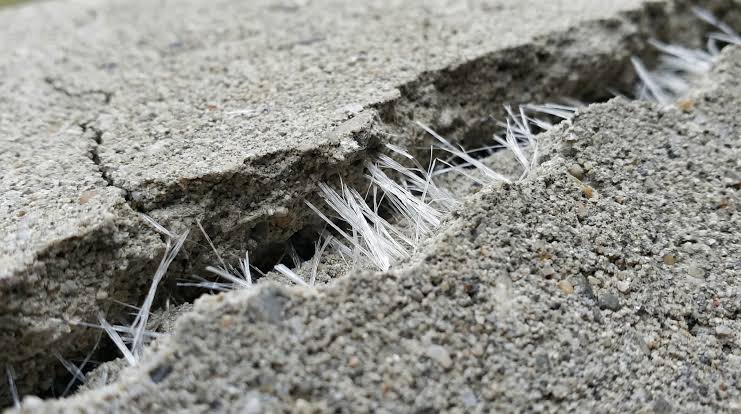
Fiberglass reinforcement is one of those things you have probably seen without realizing it. Boat hulls, car bumpers, building panels, water tanks—fiberglass is behind many of them. It makes weak materials stronger, lighter, and longer-lasting.
So what is it exactly? Fiberglass reinforcement means mixing fine glass fibers into a base material like concrete, plastic, gypsum, or asphalt. The fibers do not replace the material—they work with it. Concrete stays strong in compression but stops cracking as easily. Plastic stays light but gains stiffness and impact resistance.
Why fiberglass and not something else? A few reasons. It is cheap compared to carbon fiber. It does not rust like steel. It handles chemicals well. And it adds strength without adding much weight.
This article covers what fiberglass reinforcement is, how it works, and where it is used. You will see how the same glass fibers behave differently in concrete, plastic, and other materials—and why that matters for builders, manufacturers, and anyone working with these materials.
What Is Fiberglass?
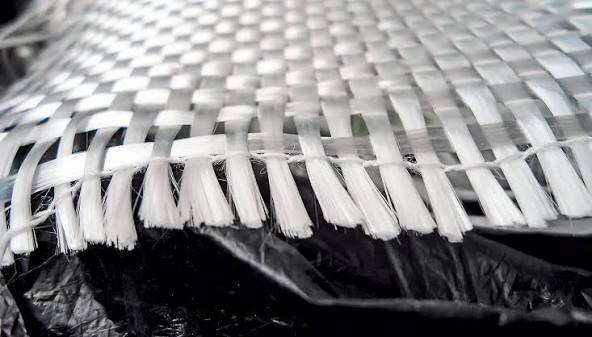
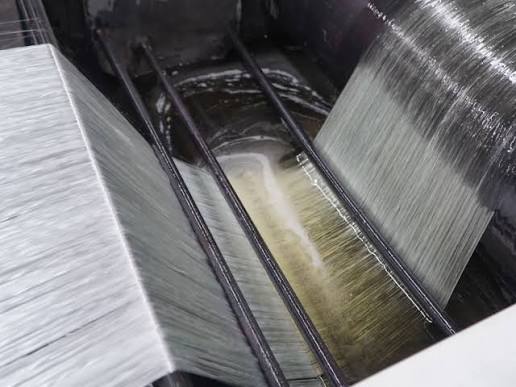
Fiberglass is glass that has been melted and pulled into thin fibers. The fibers are thinner than a human hair, and they are made by pushing molten glass through tiny holes. Once cooled, these fibers can be chopped, woven, or bundled into different forms.
Normal glass breaks easily. But when glass is turned into a fiber, it becomes flexible and strong. The reason is simple: thin fibers have fewer internal flaws than bulk glass. So they can bend and stretch without shattering.
There are a few main types of fiberglass:
- E-glass: The most common and cheapest. Used in boats, cars, and circuit boards.
- S-glass: Stronger and stiffer. Used in aerospace and armor.
- C-glass: Resistant to chemicals. Used in pipes and tanks.
- AR-glass: Resistant to alkali. Used in concrete.
Fiberglass by itself is not a finished product. It is a reinforcement material. It gets added to concrete, plastic, gypsum, or asphalt to make them stronger and more durable.
Next, we will look at how fiberglass actually works inside these materials.
In Which Materials Is Fiberglass Reinforcement Used?
Fiberglass does not work the same way in every material. Concrete, plastic, gypsum, and asphalt each have their own chemistry and their own weaknesses. The type of glass fiber, its length, its coating, and how much you add—all of it changes depending on what you are reinforcing.
Here is how fiberglass behaves in the most common materials.
Concrete (GFRC)
Concrete is strong when you push on it. It is weak when you pull on it. That is why it cracks. Fiberglass takes over that weak spot. It carries the tension, stops cracks from spreading, and gives the concrete some flexibility.
The glass used here is AR-glass—alkali-resistant. Normal glass would break down in concrete because concrete is highly alkaline. AR-glass survives that environment.
What you get is GFRC: glass fiber reinforced concrete. It can be made into thin panels, around 1 to 1.5 cm thick. Normal concrete would snap at that thickness. GFRC does not. That is why it shows up in building facades, decorative panels, and lightweight architectural pieces.
It is also used in floors, roads, and tunnels to control shrinkage cracks. And in earthquake zones, it wraps around columns and beams to add toughness.
Plastic (GRP/FRP)
Plastic alone is light and easy to shape. But it is not stiff. It bends too much and breaks under impact. Add fiberglass and everything changes.
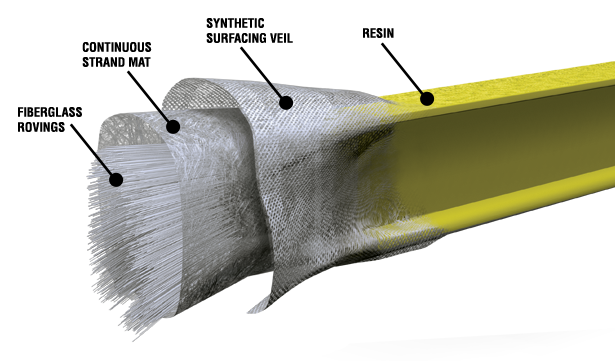
The result is called GRP (glass reinforced plastic) or FRP (fiber reinforced plastic). It is strong, light, and does not rust. It handles chemicals and water without breaking down.
You will find it in boat hulls, car bumpers, dashboard panels, wind turbine blades, water pipes, chemical tanks, circuit boards, ladders, helmets, and sports equipment. Basically anywhere you need something that is light but does not fall apart.
Gypsum
Gypsum is used in drywall and decorative panels. On its own, it is brittle. Drop it and it cracks. Mix in short glass fibers and it holds together better.
Fiberglass-reinforced gypsum is used in partition walls, ceiling tiles, and decorative moldings. It is still light, still easy to install, but it does not crumble as easily.
Asphalt
Asphalt roads crack over time. Heavy traffic, temperature changes, and water all take their toll. Adding glass fibers to asphalt mixes helps it resist rutting and thermal cracking.
The fibers act like a mesh inside the asphalt. They hold the mix together, spread the load, and extend the road’s lifespan. This is common in high-traffic areas, airports, and bridges.
Other Materials
Fiberglass also shows up in cement-based composites, paper products, and some ceramics. The principle is always the same: the base material has a weakness, and the glass fibers cover it.
Each material needs a different type of fiberglass. The wrong match does nothing, or worse, breaks down over time. That is why AR-glass goes into concrete and E-glass goes into plastic. Same glass, different job.
Advantages of Fiberglass Reinforcement
Fiberglass earns its place in so many industries for a reason. It solves problems that other materials cannot, and it does so at a price that makes sense.
It is light. Fiberglass weighs about a quarter as much as steel for the same strength. In cars, boats, and aircraft, that weight savings translates directly into lower fuel consumption and better performance.
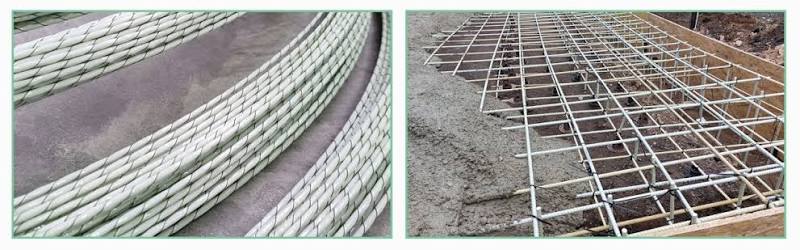
It does not rust or corrode. Steel reinforcement rusts. Moisture gets in, the steel expands, and the concrete around it cracks and falls apart. Fiberglass does not do that. It handles water, salt, and most chemicals without breaking down.
It is strong. Glass fibers have high tensile strength. They carry load, stop cracks, and make weak materials behave like strong ones.
It is cheap compared to alternatives. Carbon fiber is stronger and lighter, but it costs far more. Fiberglass gives you most of the benefit at a fraction of the price.
It is electrically and thermally insulating. This matters in circuit boards, electrical panels, and anything that needs to block heat or current.
It lasts. Fiberglass-reinforced products hold up for decades with minimal maintenance. No painting, no rust treatment, no constant repairs.
It is easy to shape. Fibers can be chopped, woven, sprayed, or laid in different orientations. That flexibility lets manufacturers tailor the material to the job.
Disadvantages of Fiberglass Reinforcement
Fiberglass is not perfect. It has real limitations, and ignoring them causes problems.
Recycling is difficult. Fiberglass composites are hard to break down. Most end up in landfills. Unlike steel or aluminum, there is no simple melting process to recover the glass fibers.
It can irritate skin and lungs. Handling raw fiberglass causes itching, redness, and irritation. Breathing in dust from cutting or sanding is worse. Workers need gloves, masks, and proper ventilation.
It is not as stiff as carbon fiber. Fiberglass bends more under load. For applications that demand maximum rigidity, carbon fiber or aramid is the better choice, if you can afford it.
UV exposure degrades it over time. Sunlight breaks down the resin that holds the fibers together. Outdoor products need a gel coat, paint, or UV-resistant resin to protect them.
Production costs can add up. The raw fiberglass is cheap, but the labor, molds, and equipment needed to make finished products are not. Small-scale production is expensive.
It has a limited temperature range. Most fiberglass composites lose strength at high temperatures. They are not suitable for extreme heat applications without special resins.
Quality control matters. A poorly mixed or poorly laid composite has weak spots. Unlike steel, which is uniform, fiberglass depends heavily on how it is processed.

Emma Clarke is an architect with a background in building materials and facade engineering. She has worked on GRC projects in various climates and specializes in material performance and restoration.