
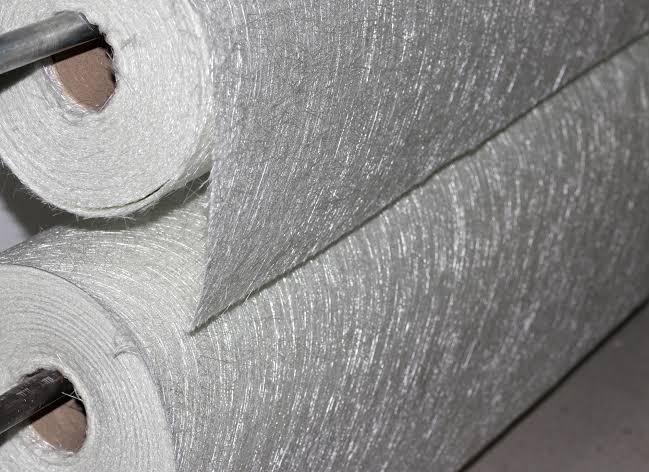
Fiberglass is produced by melting a mixture of silica sand, limestone, soda ash, and boron compounds at very high temperatures and then processing the molten material into fine fibers using machinery. Thanks to its lightweight, flexible, and durable structure, it is used in many different fields.
What Is Fiberglass?
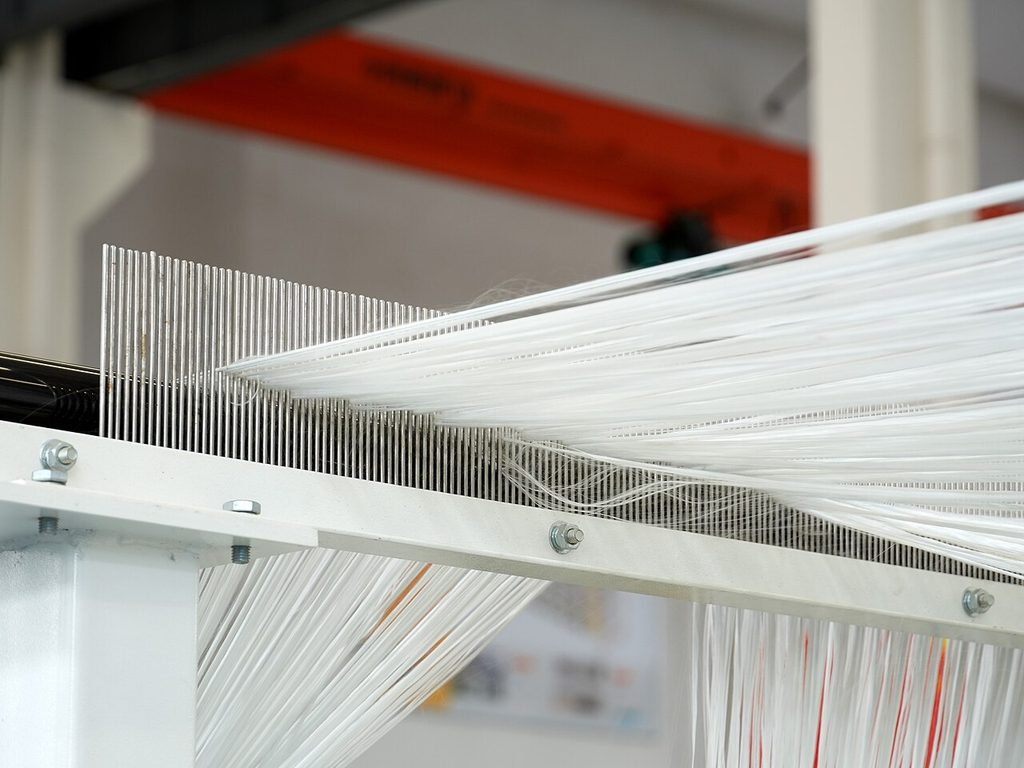
It is produced from very fine glass fibers by combining several materials and is available in a mat form or, depending on the application, as a strand. It is widely used in the automotive and construction industries due to its durability and flexibility. Essentially, as I mentioned earlier, it is combined with chemical materials and melted at temperatures between 1,400 and 1,600 degrees. After being passed through very fine holes with the aid of a machine, the resulting material is called fiberglass. In the construction industry, it is also known as glass reinforced concrete.
What Are the Differences Between Glass and Fiberglass?
| Glass | Fiberglass |
|---|---|
| Hard and brittle | Flexible and strong |
| Transparent | Opaque or semi-transparent |
| Single piece | Thousands of thin fibers |
| Windows, bottles | Boats, aircraft, GRC |
What Materials Is Fiberglass Made Of?
In fiberglass production, silica sand, limestone, potash ash, and boraxite are added to maximize the material’s strength, flexibility, and other properties.
Stages of Fiberglass Production
The first step is to prepare the mixture of raw materials. Silica sand, limestone, borax, and soda ash are carefully mixed in specific proportions.
The Mixture Melts at High Temperatures
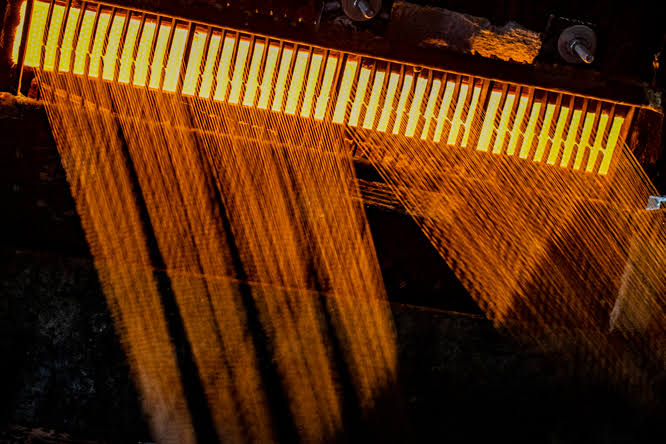
The mixture is melted at very high temperatures, ranging from 1,400 to 1,600 degrees, and takes on the form of molten glass. This molten glass is forced through very fine holes until it reaches the thickness of a strand of hair.
As shown in the image above, the fiberglass is produced in a very fine form.
What Are the Applications of Fiberglass?
Fiberglass is preferred in many industries due to its durability, strength at high temperatures, flexibility, and versatility. Its light weight also helps it replace wood and metal more quickly.
Used in Insulation
Fiberglass is commonly used as an insulation material. It is most often found in attic applications. In addition, it is a popular choice in offices, schools, and other buildings. It is applied either by spraying or using resin. It helps reduce heating and cooling costs, leading to savings.
Automotive Parts
Fiberglass is used in the automotive industry for bumpers, body panels, and interior components. Its lightweight nature improves fuel efficiency, it resists impact, and it can be molded into complex shapes.
Wind Turbine Blades
Wind turbine blades are manufactured from fiberglass. Lightweight construction allows the blades to rotate efficiently. Durability ensures they withstand wind, rain, and UV radiation for years without degrading.
Swimming Pools
Fiberglass pools provide a waterproof surface. They are easy to clean, slip-resistant, and resistant to chemicals. They last for decades and require minimal maintenance.
Pipes and Tanks
Fiberglass pipes and tanks are used for transporting and storing chemicals. They do not rust, resist corrosion, and weigh far less than metal alternatives.
Boats and Marine Equipment
Fiberglass is widely used in boat hulls, decks, and marine equipment. It resists saltwater, does not rot, and its lightweight properties improve fuel efficiency.

Emma Clarke is an architect with a background in building materials and facade engineering. She has worked on GRC projects in various climates and specializes in material performance and restoration.