
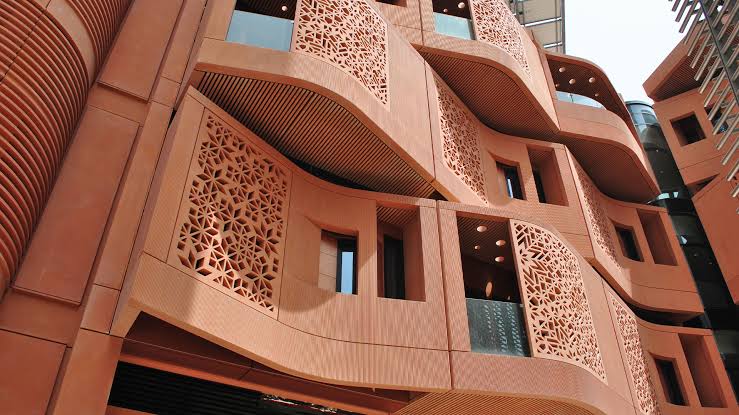
A building’s exterior cladding is essential for keeping it standing firmly for many years. When we think of exterior cladding, GFRC, traditional concrete, and precast concrete come to mind. These three exterior cladding systems each have their own distinct advantages. Therefore, it is important to understand their respective advantages and disadvantages before starting a project.
The common base material for these three facade materials is cement. However, their production methods and constituent components differ. GFRC panels do not contain steel reinforcement. Instead, glass-fiber-reinforced concrete is used. This results in a material that is stronger and more flexible than regular concrete. Precast concrete, on the other hand, is produced in sections at a factory off-site. It is produced with very sharp lines and virtually zero defects, and on-site work is limited to assembly. Traditional concrete, on the other hand, has been an indispensable part of construction for many years. It is poured and used on-site. However, there are many challenges associated with facade cladding.
Conventional Concrete
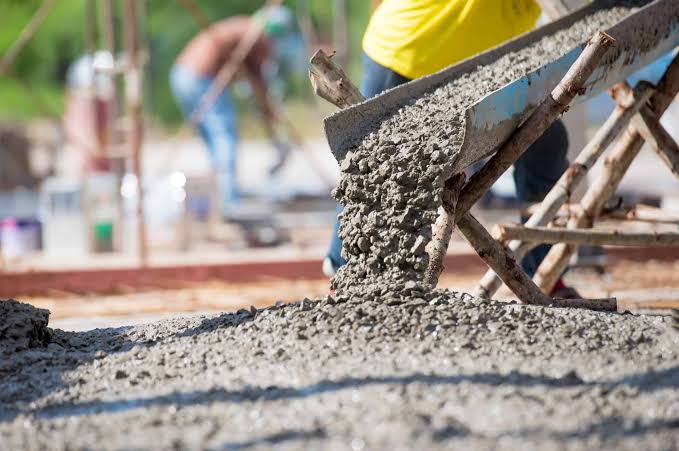
As those in the construction industry have known for years, traditional concrete is made by mixing cement, water, sand, and gravel. Steel reinforcement is placed inside, and it is produced by pouring the mixture into forms at the construction site. Thanks to the steel reinforcement, it becomes resistant to tension and compression.
Precast Concrete
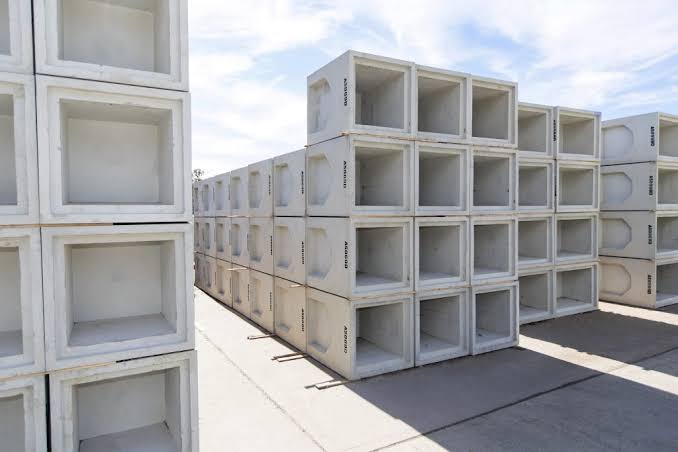
It contains the same components as traditional concrete. The only difference is that it is not poured into forms on the construction site. Instead, it is produced by pouring it into carefully prepared forms at specialized facilities such as factories. While minor errors may occur during on-site pouring, errors and defects in precast concrete are virtually nonexistent. Using this method, wall panels, stairs, facade panels, flooring, and many other components are prepared in molds and transported to construction sites for installation.
GFRC
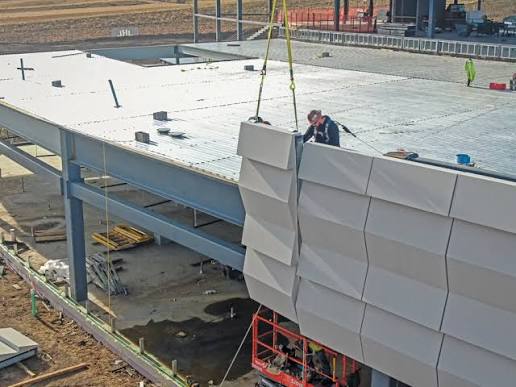
GFRC panels are made by mixing sand, water, cement, and glass fiber. As you may have noticed in the concrete types we discussed earlier, they contained steel reinforcement. However, GFRC does not contain steel reinforcement; instead, it is reinforced with glass fiber, which is even stronger than steel reinforcement. GFRC is generally the most preferred method for exterior cladding. Architects prefer it because it can be shaped into any desired geometric form, is lighter, and is stronger than concrete.
Which One Is Better in Terms of Design?
This section is the most important one for an architect. If you want to visualize how your project will look from the outside, or if you want people to give you positive and complimentary feedback on your project’s exterior cladding, please read this section carefully.
With traditional concrete, the presence of steel reinforcement limits your ability to create truly unique designs. Even if you produce complex geometric shapes, it is very difficult to manage the associated costs and issues such as installation and transportation. With precast concrete, this situation becomes slightly more manageable, but since it still contains steel reinforcement, it may still limit your ability to achieve the design you envision.
This is where GFRC panels come into play. As we always say, the absence of steel reinforcement in GFRC provides significant flexibility in creating any geometric shape you desire. Thanks to GFRC, you can transform all the designs in your imagination into reality. You can create flat panels, curved double panels, and much more. You can look into Zaha Hadid, who is recognized as one of the leading architects in this field and whose projects are featured here. You can access Zaha Hadid’s projects in this article: https://glassreinforcedconcrete.net/famous-architects-using-glass-reinforced-concrete-in-their-projects/

Emma Clarke is an architect with a background in building materials and facade engineering. She has worked on GRC projects in various climates and specializes in material performance and restoration.
1 thought on “GFRC vs Precast Concrete vs Traditional Concrete: Which Is Best for Facades?”