GRC and GFRC Prices Per Square Meter (2026)
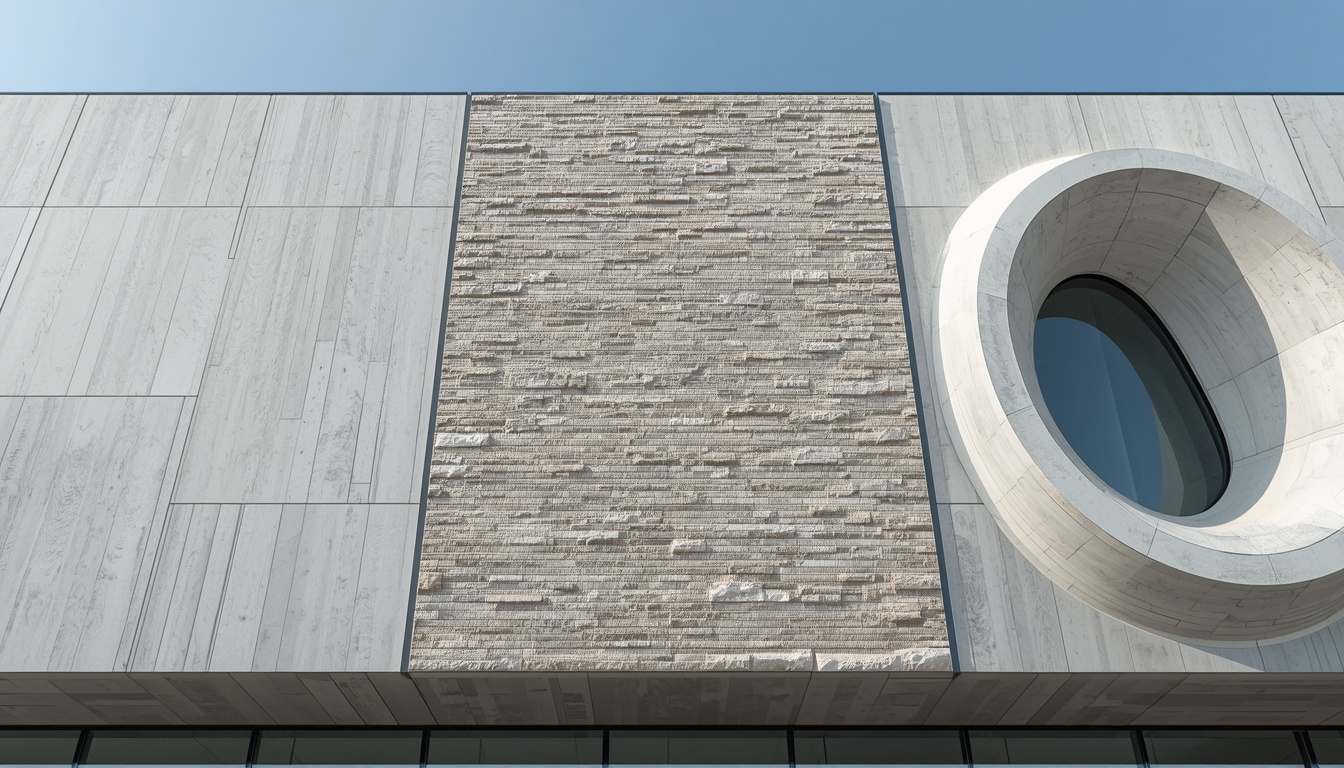
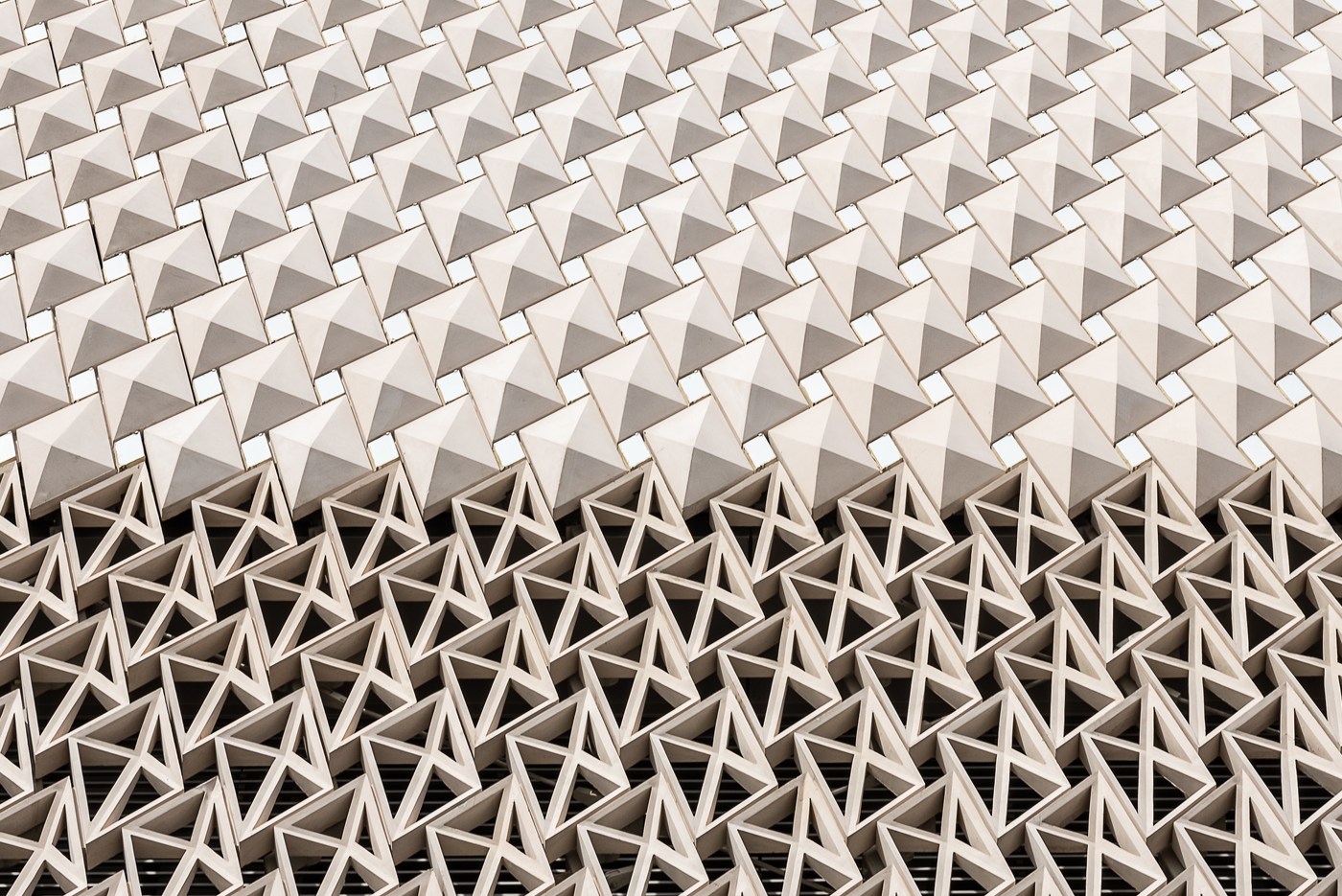
When you look at the exterior facades of significant architectural structures, you’ll notice that glass fiber reinforced concrete which gives these facades their striking aesthetic appeal adapts to all seasonal conditions thanks to its lightweight yet sturdy structure. We’ll see these geometric shapes frequently on the facades of new homes to be built in the … Read more

Famous Architects Using Glass Reinforced Concrete in Their Projects

We can say that glass fiber reinforced concrete (GFRC) has ushered in a new era for architects. GFRC, used particularly on exterior facades, offers a thinner, more intricate, and more striking appearance rather than the traditional concrete look that can detract from aesthetic appeal while providing the same strength as regular concrete. It is very … Read more

Flax Textile vs Glass Textile in Concrete: Performance Comparison

The construction industry stands at a crossroads between proven performance and environmental responsibility. For decades, alkali-resistant glass textiles have served as reliable reinforcement in cementitious composites, offering corrosion resistance and dimensional stability that traditional steel cannot match. More recently, flax-based textiles have emerged as a sustainable alternative, promising reduced carbon footprints and renewable sourcing. Yet … Read more

GRC Design Principles: LOP and MOR Explained

Every GRC facade panel, every cladding element, every architectural component begins its life with a specification sheet. On that sheet, two values appear more frequently than any others: LOP and MOR. These abbreviations represent far more than technical jargon—they form the foundation upon which safe, durable, and aesthetically successful GRC installations are built. Understanding what … Read more

Chiseled GRC Panels with Ceramic Inlays: Arter Museum’s 2,000+ Panel System

Istanbul’s Beyoğlu district, a vibrant crossroads of cultures and histories, now hosts an architectural gem that redefines the relationship between contemporary art and its urban context. The Arter Museum, designed by London-based Grimshaw Architects, opened its doors in September 2019 as a new home for the Vehbi Koç Foundation’s growing modern art collection . Beyond its … Read more

Neva Towers: Storey-High GRC Panels in Extreme Climate – A Masterclass in Facade Engineering

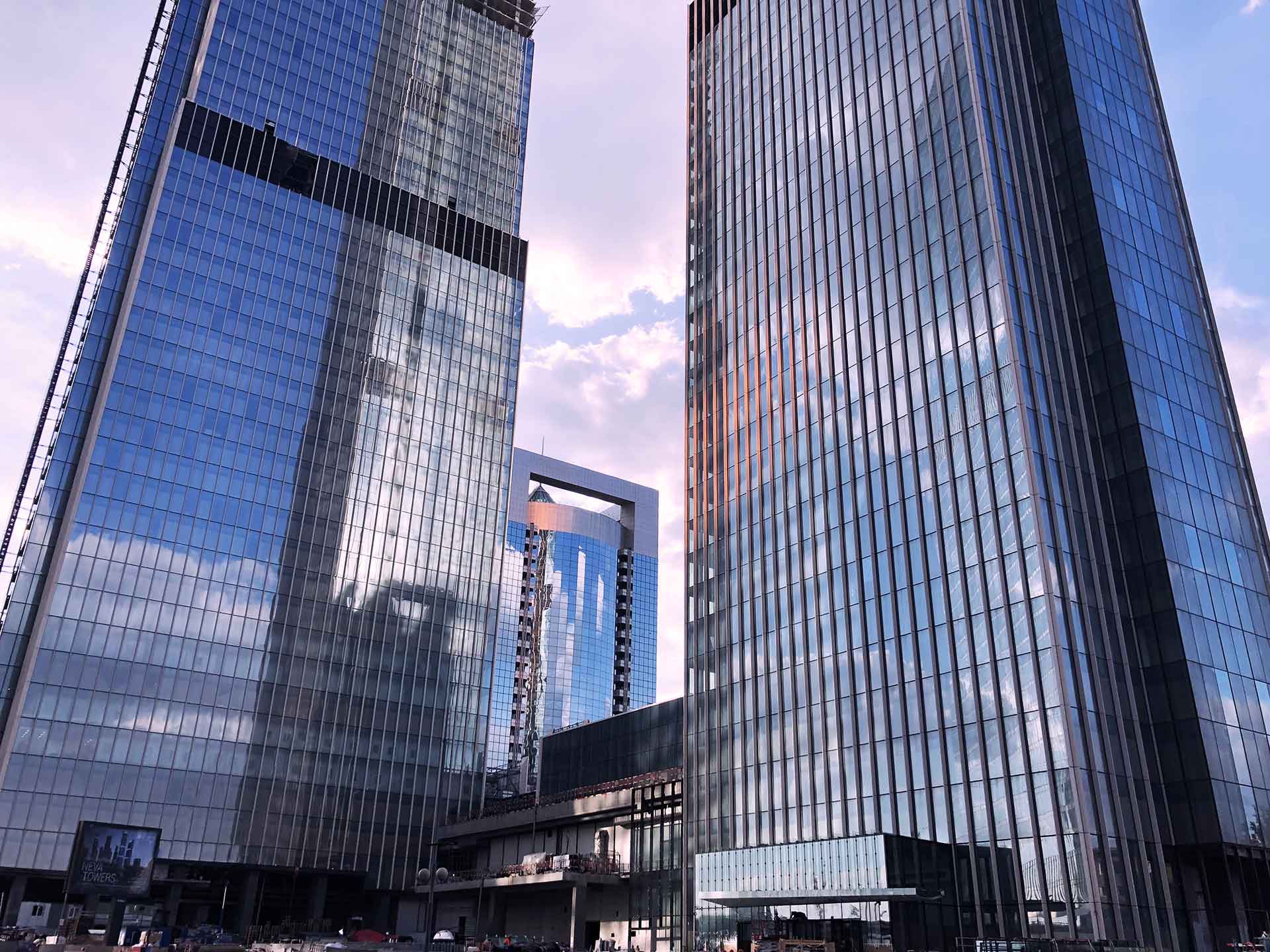
Moscow’s skyline has undergone a remarkable transformation over the past two decades, evolving from a collection of Soviet-era monoliths into a dazzling array of contemporary architectural marvels. Among these striking additions, the Neva Towers complex stands apart—not merely for its towering height or luxurious appointments, but for the extraordinary engineering solution embedded within its exterior … Read more

Heritage Restoration with GRC: Replicating Stone and Terracotta

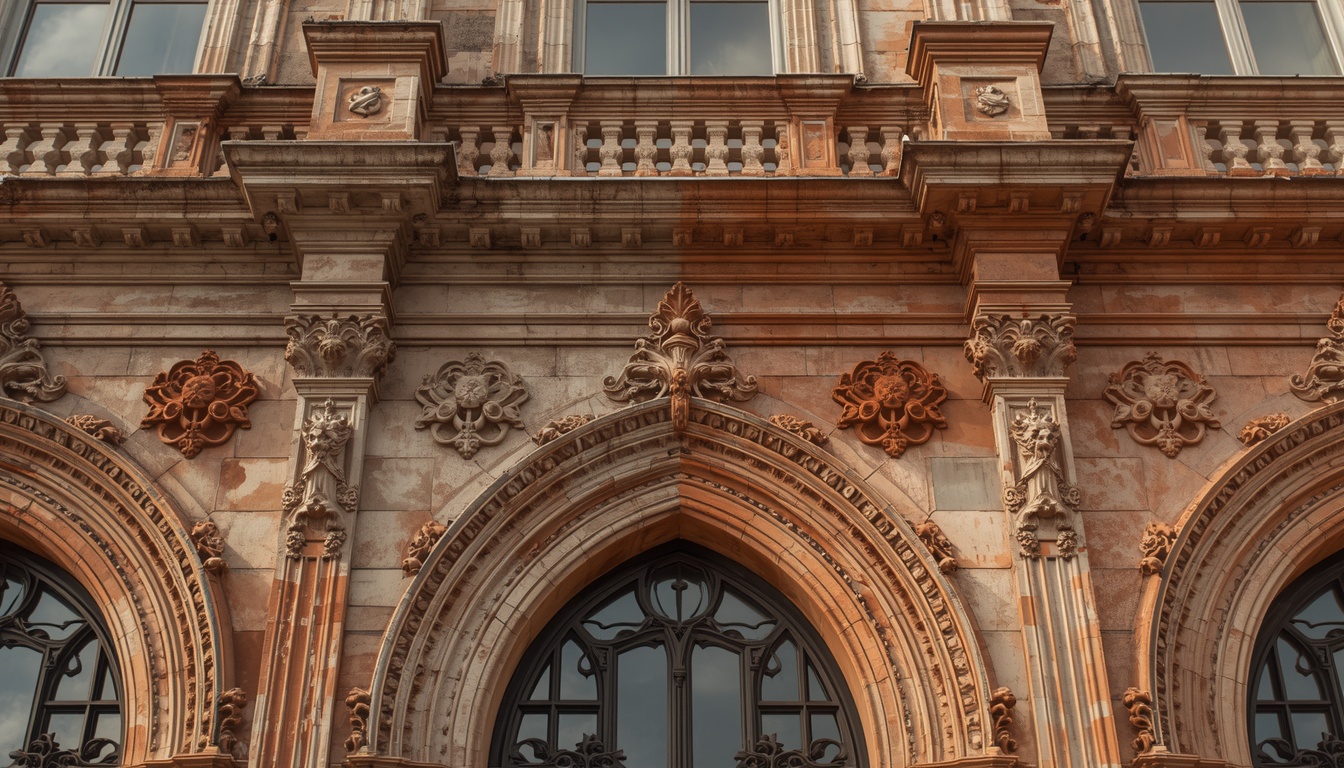
Historic buildings face a constant battle against time. Terracotta and natural stone ornaments, once symbols of architectural achievement, gradually decay through weather exposure, thermal movement, and structural settlement. These materials, prized for their aesthetic qualities, often prove vulnerable to the very forces that make buildings meaningful. The problem grows more urgent as original craftspeople retire … Read more

Dustcrete: GRC Production Dust as a Cement Replacement

Glass reinforced concrete production generates substantial dust during panel fabrication. Cutting, grinding, and finishing operations release fine particles into workshop air. These particles settle on floors, accumulate in extraction systems, and ultimately reach waste streams. Most GRC manufacturers treat this dust as ordinary industrial refuse destined for landfills. The material composition tells a different story. … Read more

GRC Fountains and Water Features: Durable Design

Water features bring movement, sound, and visual relief to urban environments. Fountains cool public squares. Reflecting pools anchor building entrances. Water walls mask traffic noise in city centers. But water damages most building materials over time. Metals corrode. Natural stone erodes. Timber rots. Even conventional concrete suffers from freeze-thaw cycling, efflorescence, and chemical attack from … Read more

Aerogel Composite GRC Boards for Thermal and Sound Insulation

Buildings consume nearly 40 percent of global energy, with heating and cooling accounting for the largest share. Standard insulation materials—expanded polystyrene, mineral wool, polyurethane foam—have remained largely unchanged for decades. They insulate adequately but come with trade-offs. Thickness requirements eat into usable floor space. Moisture management demands careful detailing. Fire performance varies widely between products. … Read more