Neva Towers: Storey-High GRC Panels in Extreme Climate – A Masterclass in Facade Engineering
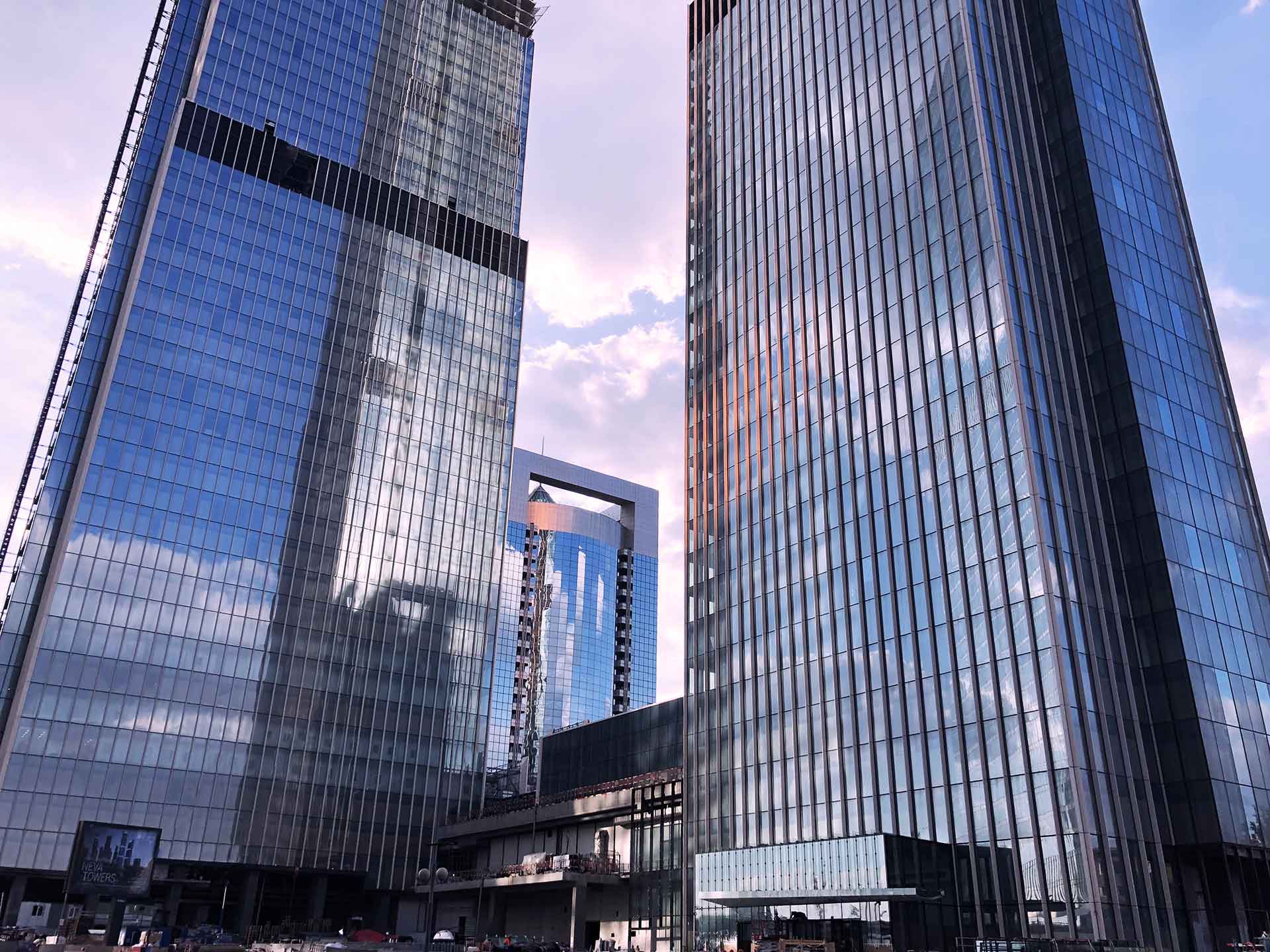
Moscow’s skyline has undergone a remarkable transformation over the past two decades, evolving from a collection of Soviet-era monoliths into a dazzling array of contemporary architectural marvels. Among these striking additions, the Neva Towers complex stands apart—not merely for its towering height or luxurious appointments, but for the extraordinary engineering solution embedded within its exterior … Read more
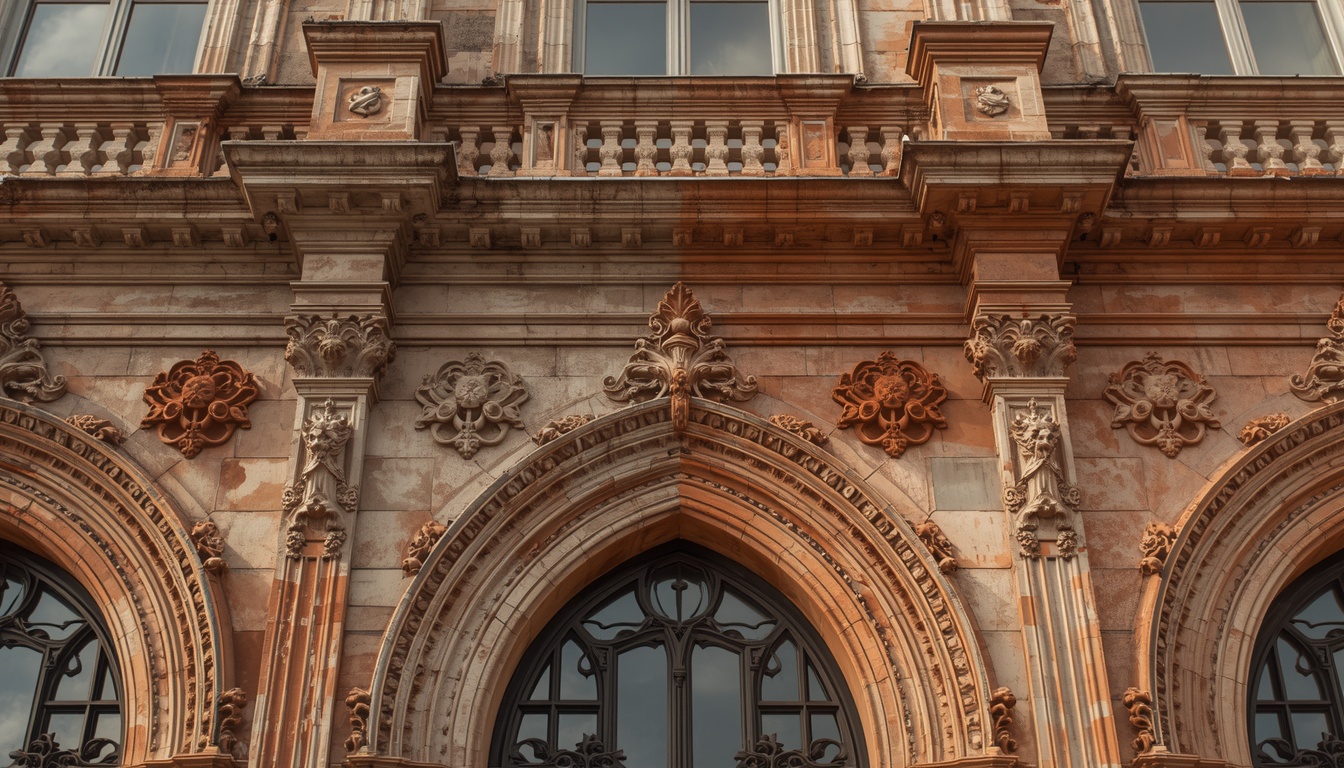
Heritage Restoration with GRC: Replicating Stone and Terracotta

Historic buildings face a constant battle against time. Terracotta and natural stone ornaments, once symbols of architectural achievement, gradually decay through weather exposure, thermal movement, and structural settlement. These materials, prized for their aesthetic qualities, often prove vulnerable to the very forces that make buildings meaningful. The problem grows more urgent as original craftspeople retire … Read more

Dustcrete: GRC Production Dust as a Cement Replacement

Glass reinforced concrete production generates substantial dust during panel fabrication. Cutting, grinding, and finishing operations release fine particles into workshop air. These particles settle on floors, accumulate in extraction systems, and ultimately reach waste streams. Most GRC manufacturers treat this dust as ordinary industrial refuse destined for landfills. The material composition tells a different story. … Read more

GRC Fountains and Water Features: Durable Design

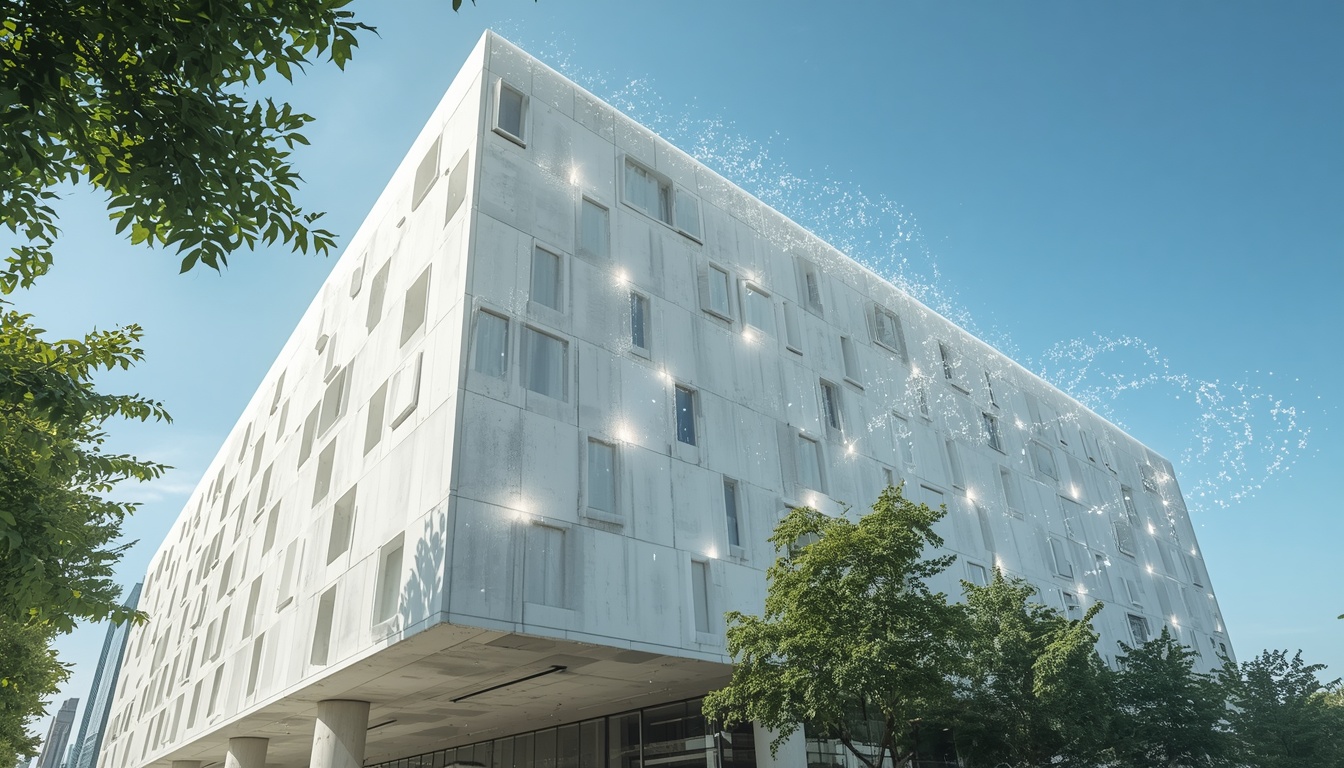
Water features bring movement, sound, and visual relief to urban environments. Fountains cool public squares. Reflecting pools anchor building entrances. Water walls mask traffic noise in city centers. But water damages most building materials over time. Metals corrode. Natural stone erodes. Timber rots. Even conventional concrete suffers from freeze-thaw cycling, efflorescence, and chemical attack from … Read more

Aerogel Composite GRC Boards for Thermal and Sound Insulation

Buildings consume nearly 40 percent of global energy, with heating and cooling accounting for the largest share. Standard insulation materials—expanded polystyrene, mineral wool, polyurethane foam—have remained largely unchanged for decades. They insulate adequately but come with trade-offs. Thickness requirements eat into usable floor space. Moisture management demands careful detailing. Fire performance varies widely between products. … Read more

Jabal Omar Towers: Heritage and Modernity Integration with GFRC

The Jabal Omar Development rises in the heart of Makkah, just steps from the Masjid al-Haram. The project spans over 5,000 square meters and ranks among the largest urban developments in the holy city . The masterplan includes 40 high-rise buildings constructed across seven phases, with construction beginning in 2011 . The Address Jabal Omar towers alone … Read more

Zell Town Hall: GRC Panels in Heritage Renovation

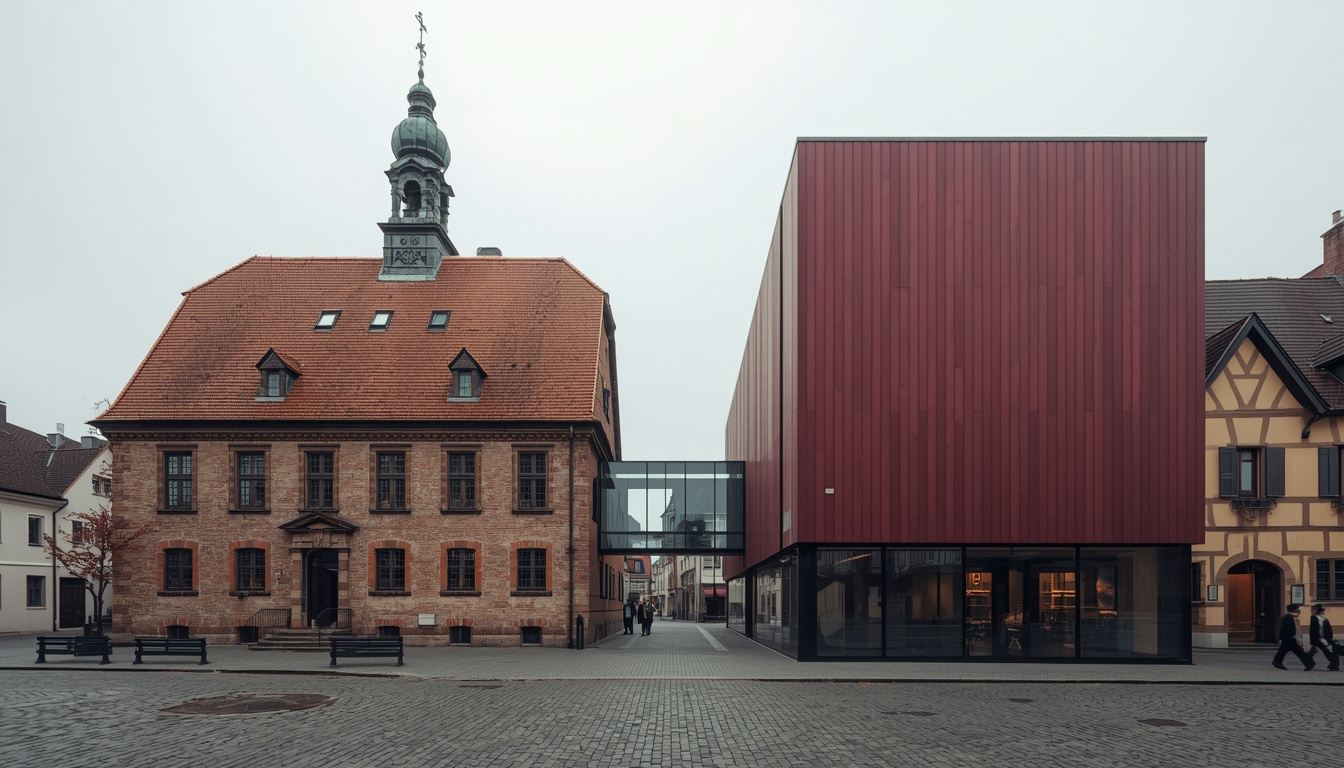
Zell am Harmersbach, a small town in the western Black Forest region, holds architectural layers stretching back centuries. Half-timbered houses sit alongside Art Nouveau details. Gothic, Renaissance, and Baroque structures define the town square. The Stork Tower, the town’s landmark, has stood for roughly 700 years . The town hall building itself, with its gabled roof, … Read more

GRC Brick-Faced Panels: Formwork and Joint Solutions at HYLO Tower

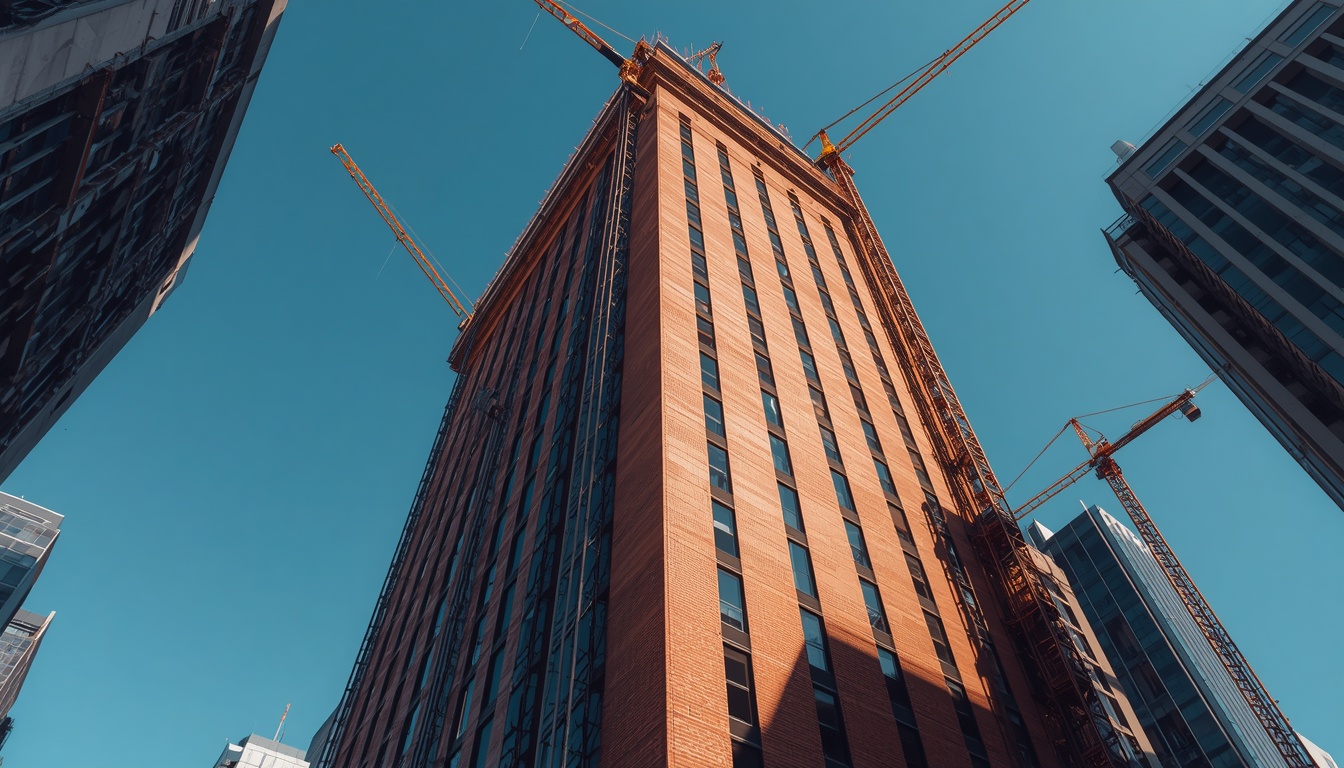
The HYLO Tower project in London’s Islington district began with a structural problem. The original Finsbury Tower, built in the 1960s, stood sixteen stories tall. The design team at Horden Cherry Lee Architects needed to add thirteen more stories while preserving the existing foundation . This required a cladding solution that was both lightweight and substantial … Read more

Rob and Melani Walton Center: Cactus-Inspired GFRC Facade

The Rob and Melani Walton Center for Planetary Health at Arizona State University rises from a triangular lot in Tempe like a giant cracked-open geode. Clad in a shell of glass fiber-reinforced concrete, the building’s paneled facade draws direct inspiration from the saguaro cactus that dots the Sonoran Desert landscape . This is not a building … Read more

Green GRC+: Low Carbon Formulations Explained

The construction industry’s environmental footprint has prompted material innovation. Traditional concrete production accounts for approximately 8% of global CO₂ emissions, with cement manufacturing as the primary contributor. Green GRC+ emerges as a solution to this challenge, offering a low-carbon alternative without sacrificing performance. Glass Reinforced Concrete (GRC) already provides environmental advantages over conventional concrete through reduced material usage … Read more